Vintage Hand Brace with Rosewood Handles - 8" Sweep Traditional Boring Tool
8" sweep ratchet hand brace
Unknown maker.
Late 19th to mid 20th Century
A substantial vintage hand brace featuring beautiful rosewood handles and robust cast iron construction. This classic boring tool showcases traditional British engineering from the golden age of hand tool manufacturing, with an impressive 8-inch sweep for powerful drilling.
The brace features the characteristic swept frame design with smooth, elegant curves. The rosewood handles retain beautiful grain with rich dark tones and natural patina developed through decades of use. The cast iron frame shows honest workshop wear with an attractive aged finish. The two-jaw alligator chuck operates smoothly, and the ratchet mechanism remains functional. The distinctive turned mushroom head at the top provides comfortable palm pressure during drilling operations.
Hand braces were essential tools in every carpenter’s, joiner’s, and engineer’s kit from the 18th century through the mid-20th century. Before electric drills dominated workshops, craftsmen relied entirely on hand braces for boring holes in wood, and with appropriate bits, even metal and masonry. The swept frame design, perfected in the 19th century, provided smooth rotation, excellent balance, and superior power transmission compared to earlier straight-crank designs.
The 8-inch sweep on this brace is particularly noteworthy - this is a large, powerful tool designed for serious boring work. The sweep (the diameter of the circle made by the crank) determines how much torque and leverage the brace provides. An 8-inch sweep was favored for heavy-duty applications: boring large holes, drilling through thick or hard timber, working with expansive bits, and any task requiring substantial power. This would have been a carpenter’s or shipwright’s tool rather than a fine cabinetmaker’s - built for robust, demanding work.
The two-jaw “alligator” chuck design was one of the most popular and reliable chuck mechanisms developed for hand braces. Named for its resemblance to an alligator’s jaws, this chuck featured two opposing jaws that gripped the bit shank when the collar was tightened. This design was particularly effective for holding square-tanged auger bits (the traditional woodworking bits with spiral cutters) and could also accommodate round-shanked bits. The simplicity of the two-jaw design made it robust and reliable - fewer moving parts meant less to go wrong, and the design provided excellent gripping force.
While many braces from this era carried maker’s marks from prestigious firms like Marples, Record, Stanley, or Ultimatum, numerous quality braces were also produced by smaller regional manufacturers or as unmarked professional-grade tools. The absence of visible markings doesn’t diminish the quality - many excellent braces were unmarked, and the proof of quality lies in the construction itself: the rosewood handles (an expensive material reserved for better tools), the substantial cast iron frame, the smooth sweep, and the well-engineered chuck mechanism.
The rosewood handles on this example indicate quality construction. Rosewood was significantly more expensive than common beech or painted hardwoods and was valued for its beauty, exceptional durability, comfortable feel, and resistance to splitting. The turned mushroom head provided excellent palm support while allowing the head to rotate freely as the crank was turned - essential for comfortable operation during extended boring sessions.
Using a large brace like this required technique and stamina. The craftsman would position the work securely, apply steady downward pressure on the head with one hand while cranking with the other, maintaining consistent speed and pressure. The 8-inch sweep meant each revolution took significant effort but generated tremendous torque - capable of driving large bits through oak, elm, or other demanding timbers that would stall smaller braces.
The ratchet mechanism visible in the construction allowed the brace to be used in confined spaces where a full sweep wasn’t possible. By engaging the ratchet, the craftsman could bore holes with short back-and-forth movements rather than complete rotations - invaluable when working between joists, in corners, or other tight situations.
Craftsmen would build up collections of auger bits in various sizes to use with their braces, from tiny pilot bits to massive expansive bits capable of boring holes several inches in diameter. The two-jaw chuck’s robust design was particularly suited to the demands of heavy boring work, maintaining secure grip even under the substantial torque generated by an 8-inch sweep.
Excellent vintage condition with beautiful original patina. Rosewood handles retain superb color and grain with natural aging. Cast iron frame shows honest workshop wear but remains structurally sound. Two-jaw alligator chuck operates smoothly, ratchet mechanism functional. No visible maker’s mark. A substantial, quality brace built for demanding work.
Perfect for working woodworkers who appreciate powerful hand tools, collectors of vintage braces, hand tool enthusiasts, or as a beautiful display piece celebrating traditional British craftsmanship and the strength of tools built to last generations.
All items where appropriate will be sent well packaged, tracked and insured. Where possible we will combine purchases for shipping. The total weight is 1.1KG, and postage charges will reflect this weight. If you need alternative postage arrangements or wish to arrange for collection, please get in touch with us. Each piece will be carefully wrapped and packed in a durable cardboard box for maximum protection. We strive to use recycled packaging whenever possible to minimize our environmental impact, so your order might arrive in a repurposed Amazon or cat food box. For international purchases other than those specified, please contact us to discuss shipping options.
8" sweep ratchet hand brace
Unknown maker.
Late 19th to mid 20th Century
A substantial vintage hand brace featuring beautiful rosewood handles and robust cast iron construction. This classic boring tool showcases traditional British engineering from the golden age of hand tool manufacturing, with an impressive 8-inch sweep for powerful drilling.
The brace features the characteristic swept frame design with smooth, elegant curves. The rosewood handles retain beautiful grain with rich dark tones and natural patina developed through decades of use. The cast iron frame shows honest workshop wear with an attractive aged finish. The two-jaw alligator chuck operates smoothly, and the ratchet mechanism remains functional. The distinctive turned mushroom head at the top provides comfortable palm pressure during drilling operations.
Hand braces were essential tools in every carpenter’s, joiner’s, and engineer’s kit from the 18th century through the mid-20th century. Before electric drills dominated workshops, craftsmen relied entirely on hand braces for boring holes in wood, and with appropriate bits, even metal and masonry. The swept frame design, perfected in the 19th century, provided smooth rotation, excellent balance, and superior power transmission compared to earlier straight-crank designs.
The 8-inch sweep on this brace is particularly noteworthy - this is a large, powerful tool designed for serious boring work. The sweep (the diameter of the circle made by the crank) determines how much torque and leverage the brace provides. An 8-inch sweep was favored for heavy-duty applications: boring large holes, drilling through thick or hard timber, working with expansive bits, and any task requiring substantial power. This would have been a carpenter’s or shipwright’s tool rather than a fine cabinetmaker’s - built for robust, demanding work.
The two-jaw “alligator” chuck design was one of the most popular and reliable chuck mechanisms developed for hand braces. Named for its resemblance to an alligator’s jaws, this chuck featured two opposing jaws that gripped the bit shank when the collar was tightened. This design was particularly effective for holding square-tanged auger bits (the traditional woodworking bits with spiral cutters) and could also accommodate round-shanked bits. The simplicity of the two-jaw design made it robust and reliable - fewer moving parts meant less to go wrong, and the design provided excellent gripping force.
While many braces from this era carried maker’s marks from prestigious firms like Marples, Record, Stanley, or Ultimatum, numerous quality braces were also produced by smaller regional manufacturers or as unmarked professional-grade tools. The absence of visible markings doesn’t diminish the quality - many excellent braces were unmarked, and the proof of quality lies in the construction itself: the rosewood handles (an expensive material reserved for better tools), the substantial cast iron frame, the smooth sweep, and the well-engineered chuck mechanism.
The rosewood handles on this example indicate quality construction. Rosewood was significantly more expensive than common beech or painted hardwoods and was valued for its beauty, exceptional durability, comfortable feel, and resistance to splitting. The turned mushroom head provided excellent palm support while allowing the head to rotate freely as the crank was turned - essential for comfortable operation during extended boring sessions.
Using a large brace like this required technique and stamina. The craftsman would position the work securely, apply steady downward pressure on the head with one hand while cranking with the other, maintaining consistent speed and pressure. The 8-inch sweep meant each revolution took significant effort but generated tremendous torque - capable of driving large bits through oak, elm, or other demanding timbers that would stall smaller braces.
The ratchet mechanism visible in the construction allowed the brace to be used in confined spaces where a full sweep wasn’t possible. By engaging the ratchet, the craftsman could bore holes with short back-and-forth movements rather than complete rotations - invaluable when working between joists, in corners, or other tight situations.
Craftsmen would build up collections of auger bits in various sizes to use with their braces, from tiny pilot bits to massive expansive bits capable of boring holes several inches in diameter. The two-jaw chuck’s robust design was particularly suited to the demands of heavy boring work, maintaining secure grip even under the substantial torque generated by an 8-inch sweep.
Excellent vintage condition with beautiful original patina. Rosewood handles retain superb color and grain with natural aging. Cast iron frame shows honest workshop wear but remains structurally sound. Two-jaw alligator chuck operates smoothly, ratchet mechanism functional. No visible maker’s mark. A substantial, quality brace built for demanding work.
Perfect for working woodworkers who appreciate powerful hand tools, collectors of vintage braces, hand tool enthusiasts, or as a beautiful display piece celebrating traditional British craftsmanship and the strength of tools built to last generations.
All items where appropriate will be sent well packaged, tracked and insured. Where possible we will combine purchases for shipping. The total weight is 1.1KG, and postage charges will reflect this weight. If you need alternative postage arrangements or wish to arrange for collection, please get in touch with us. Each piece will be carefully wrapped and packed in a durable cardboard box for maximum protection. We strive to use recycled packaging whenever possible to minimize our environmental impact, so your order might arrive in a repurposed Amazon or cat food box. For international purchases other than those specified, please contact us to discuss shipping options.

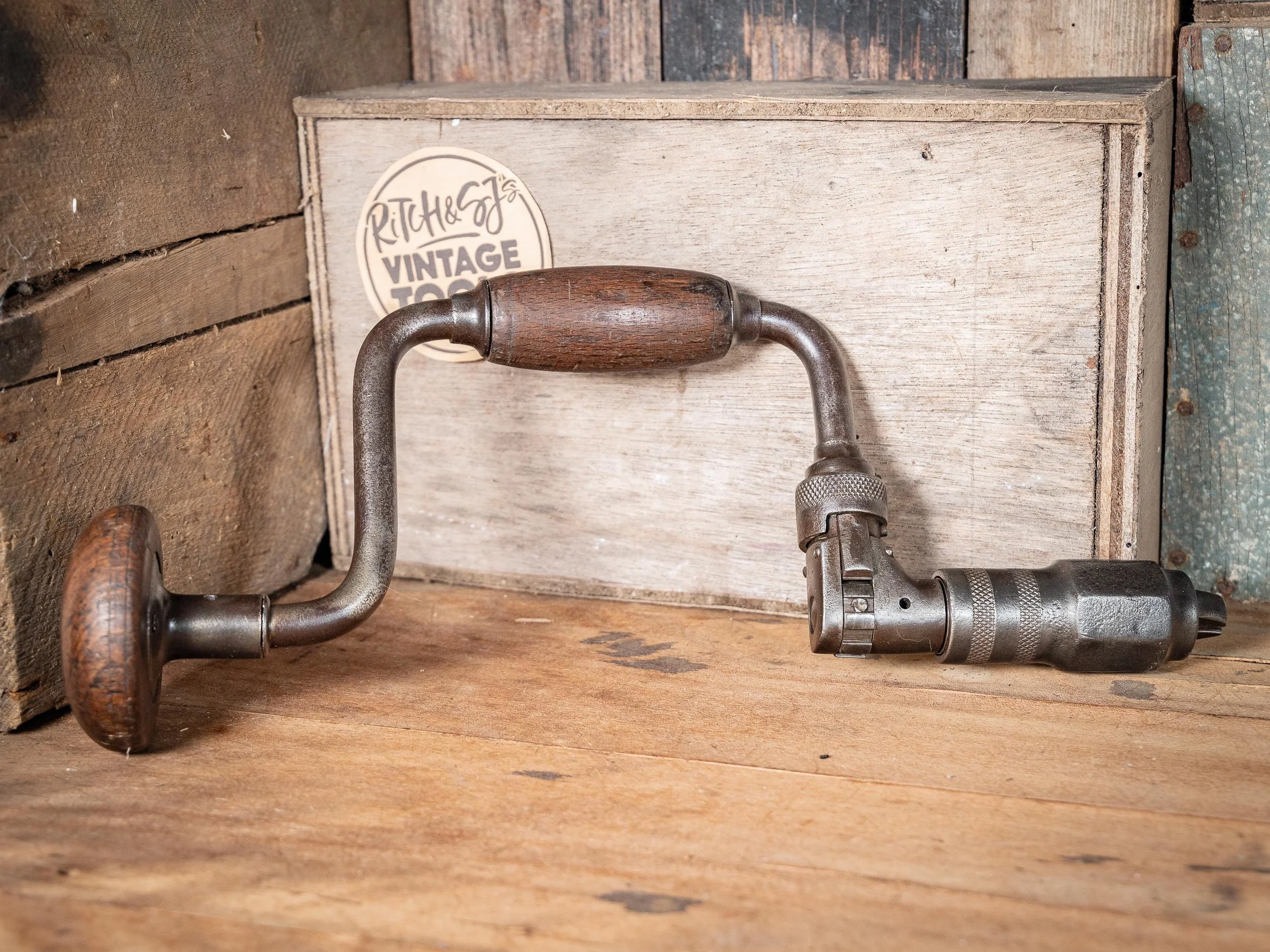 Image 1 of 16
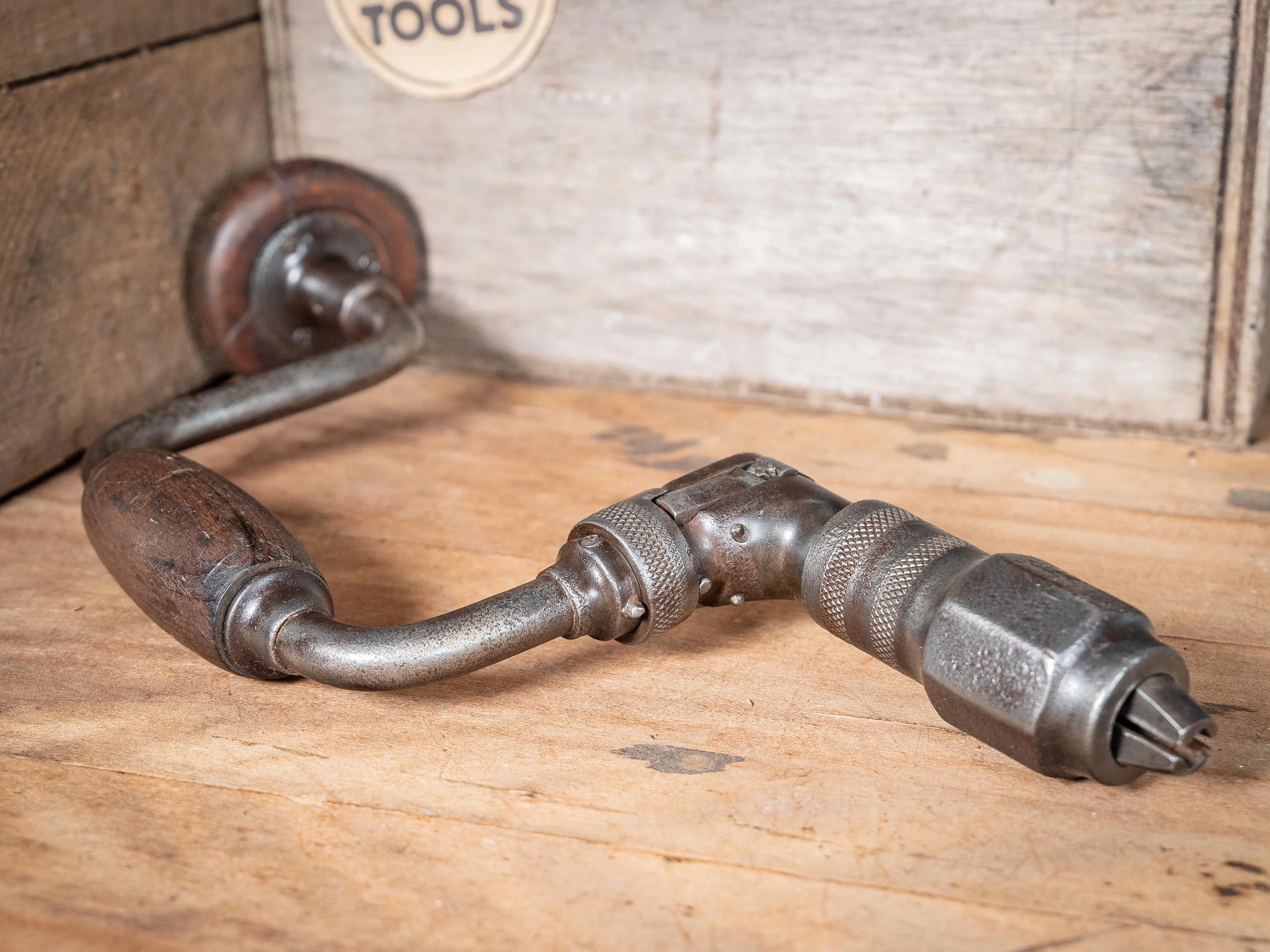 Image 2 of 16
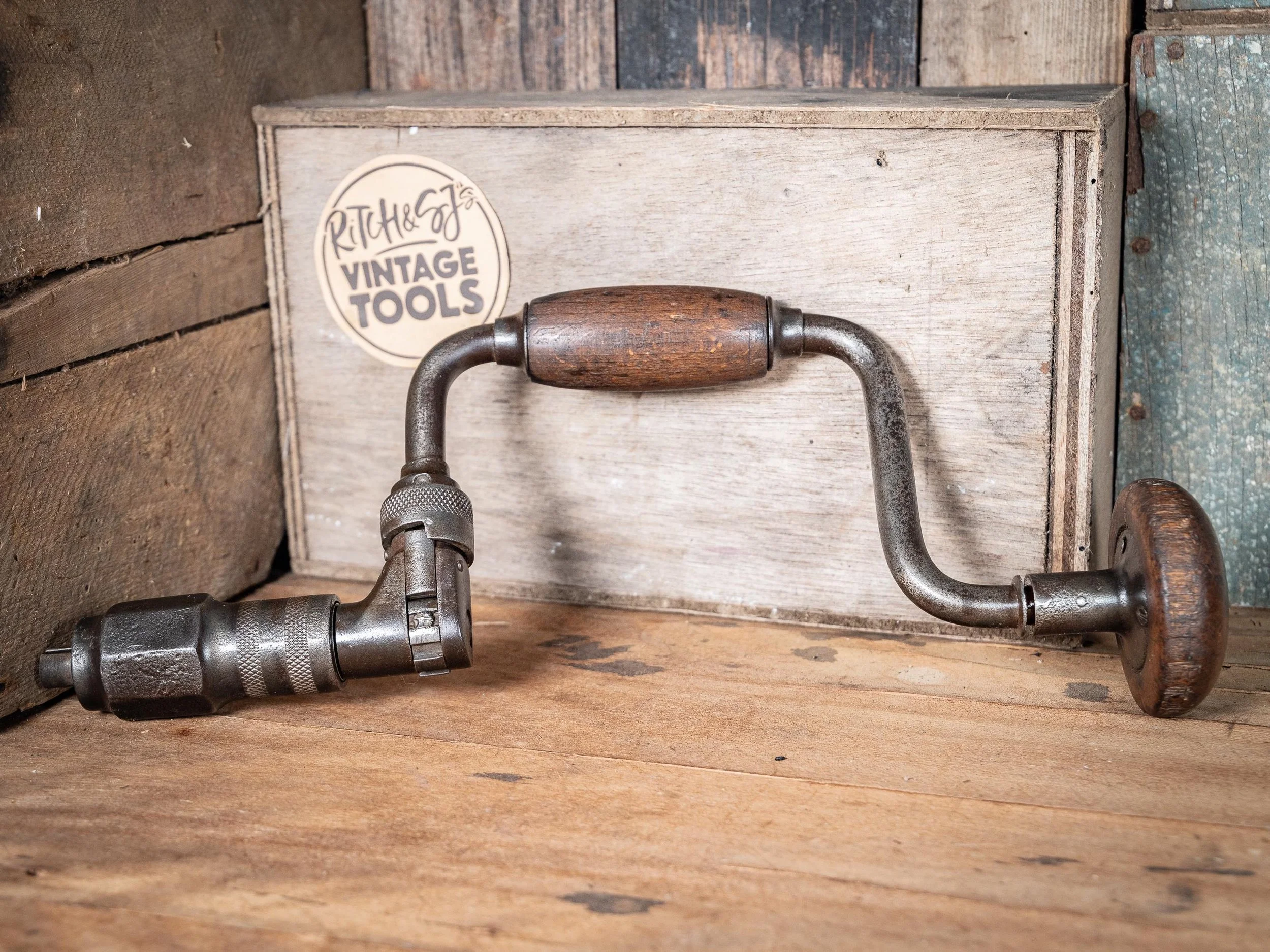 Image 3 of 16
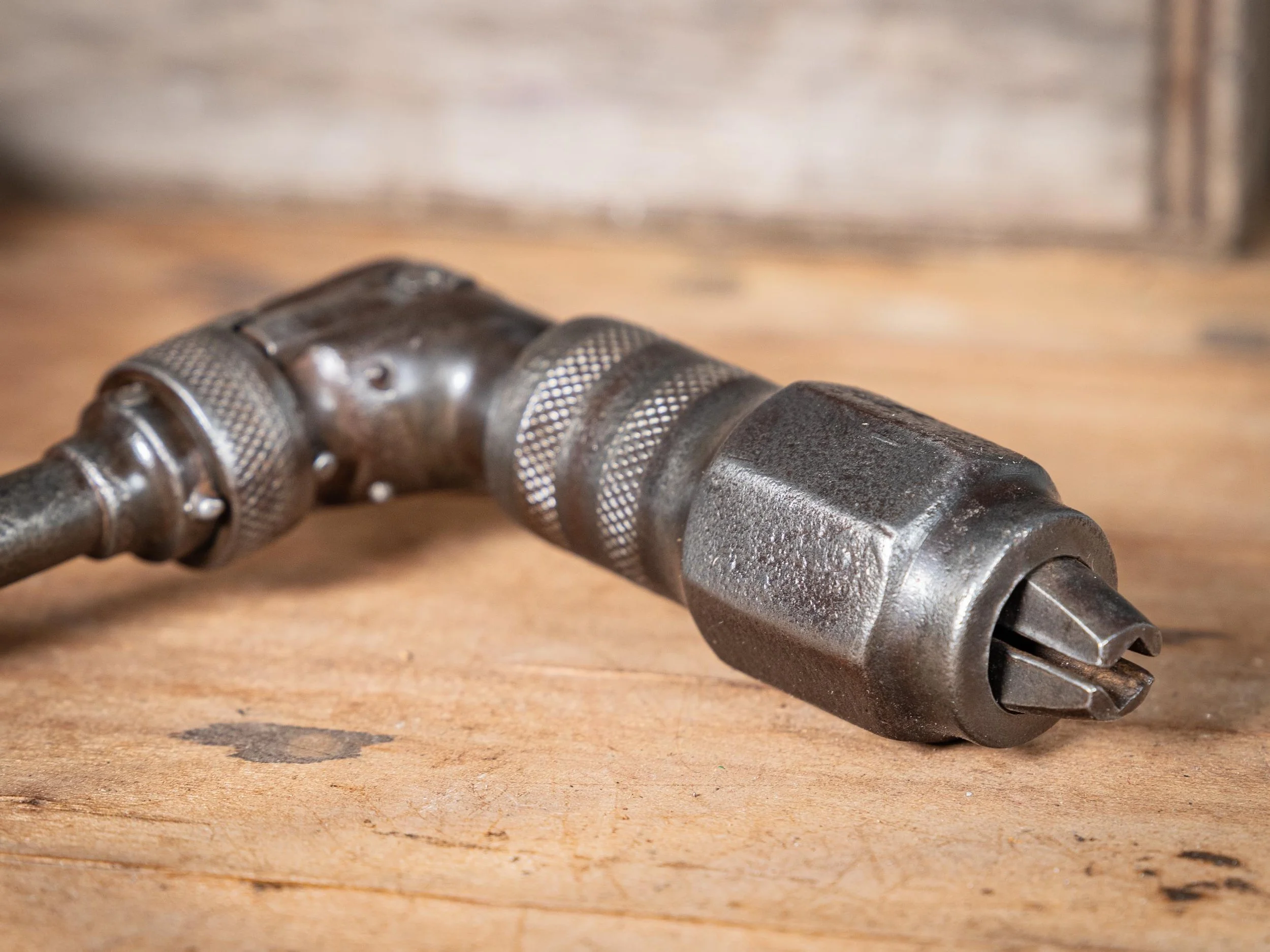 Image 4 of 16
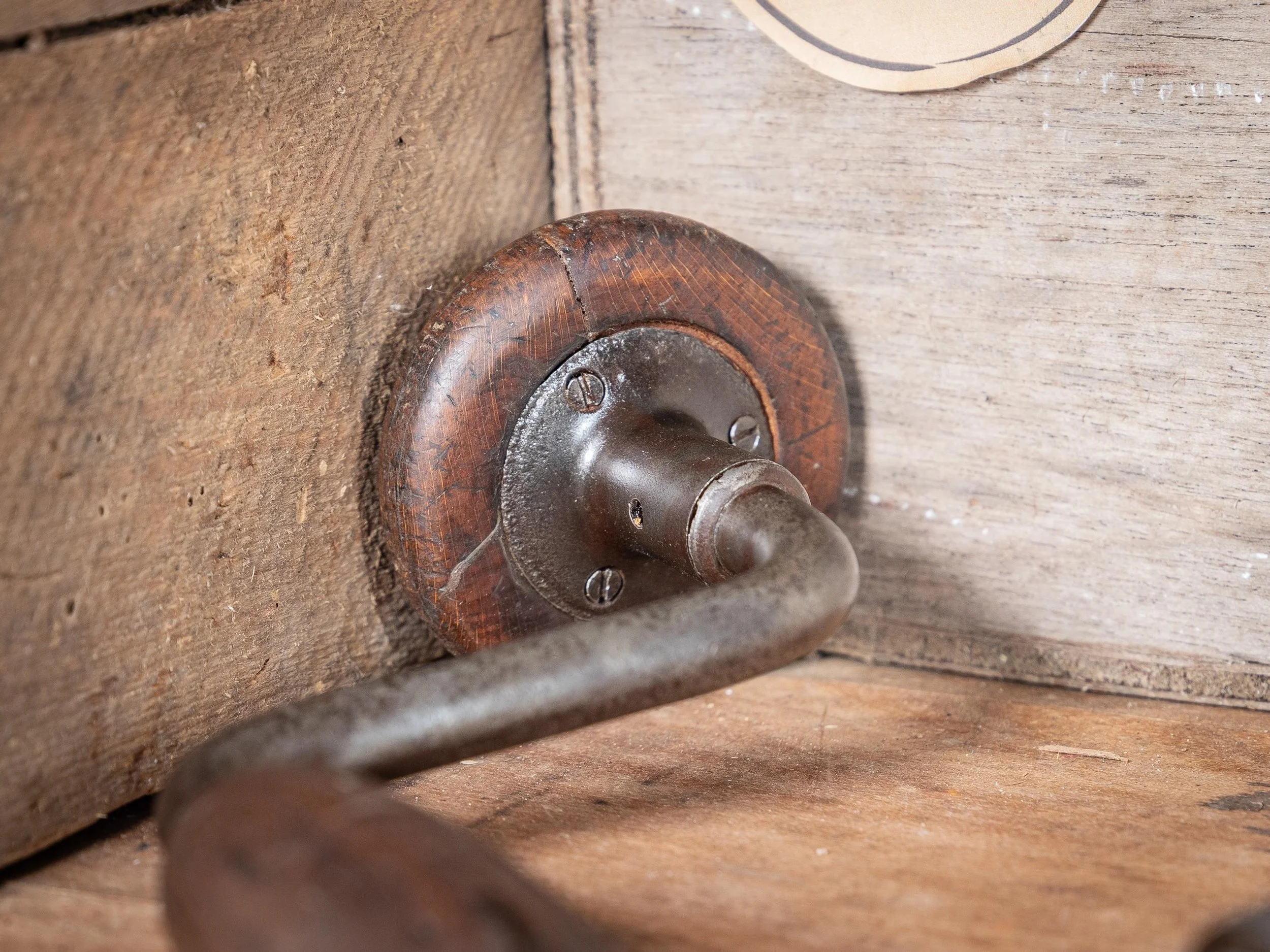 Image 5 of 16
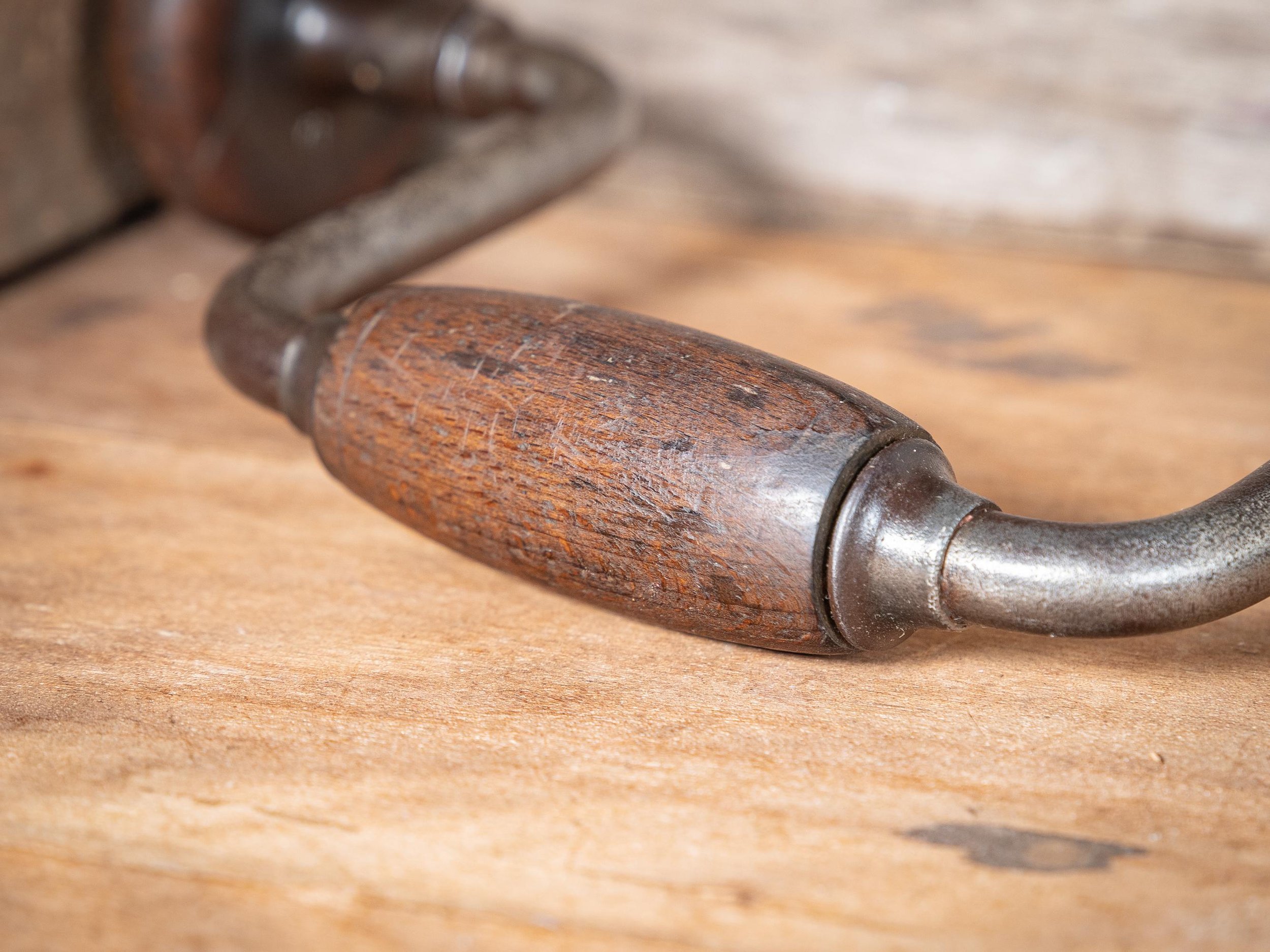 Image 6 of 16
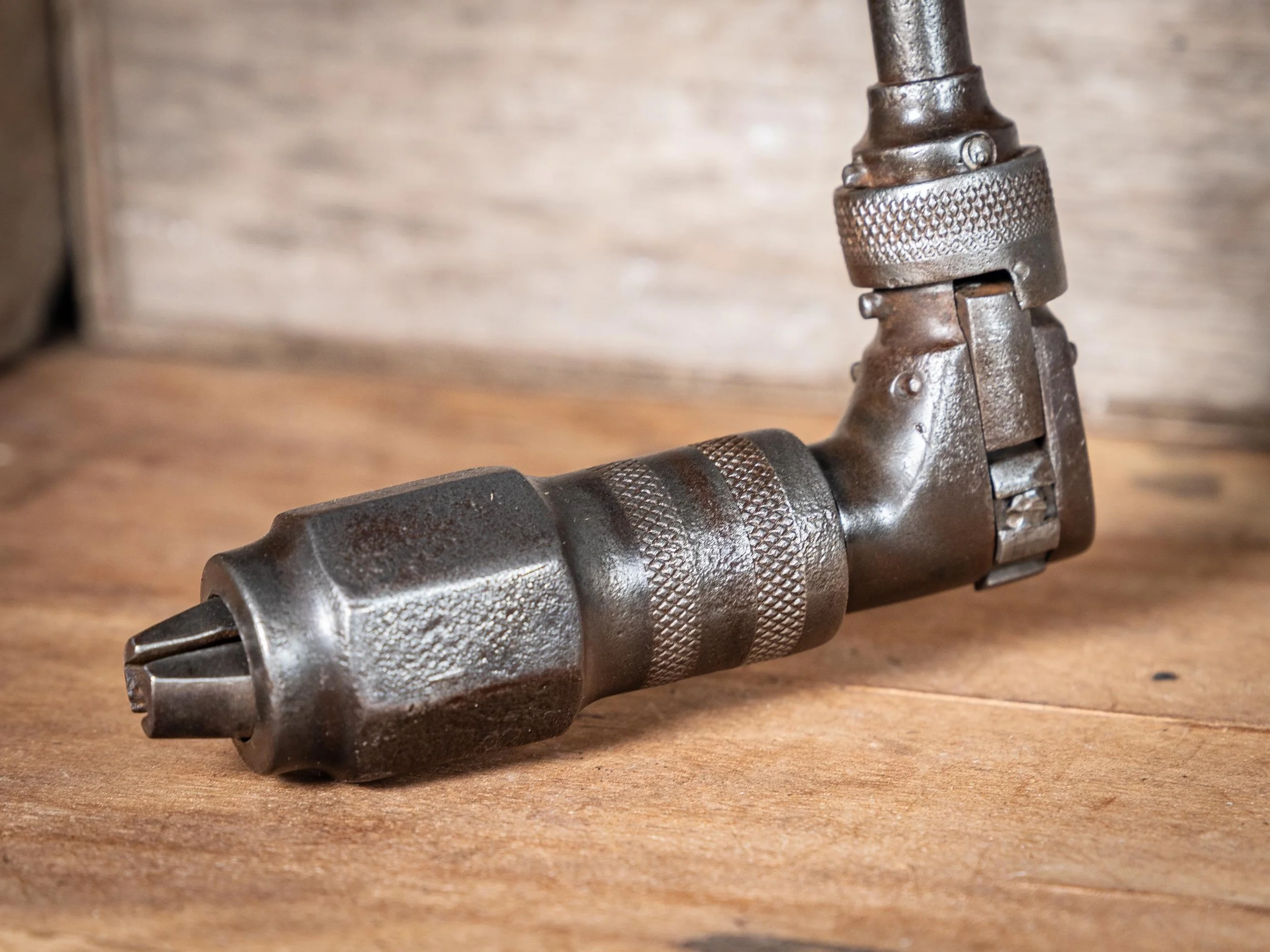 Image 7 of 16
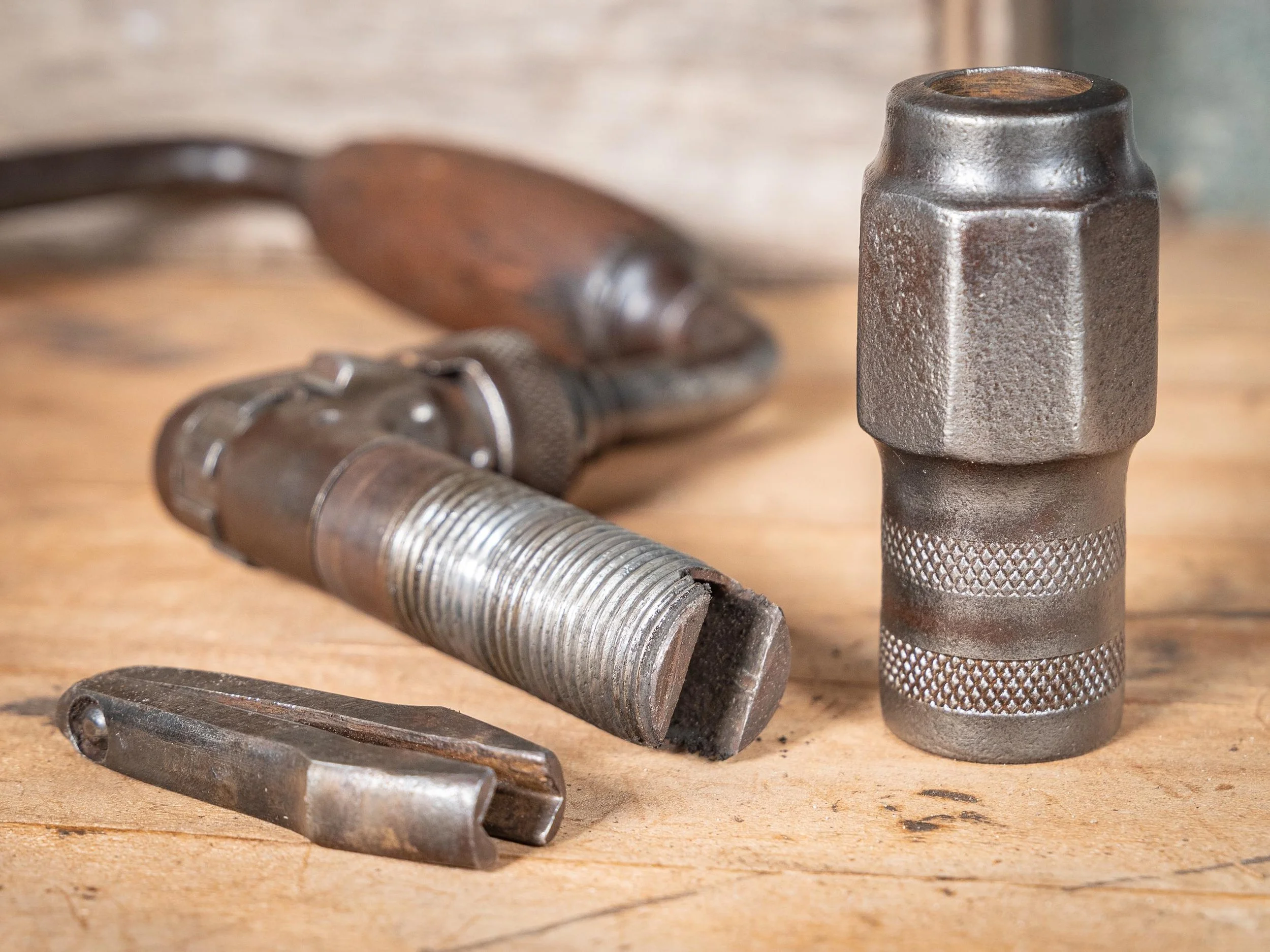 Image 8 of 16
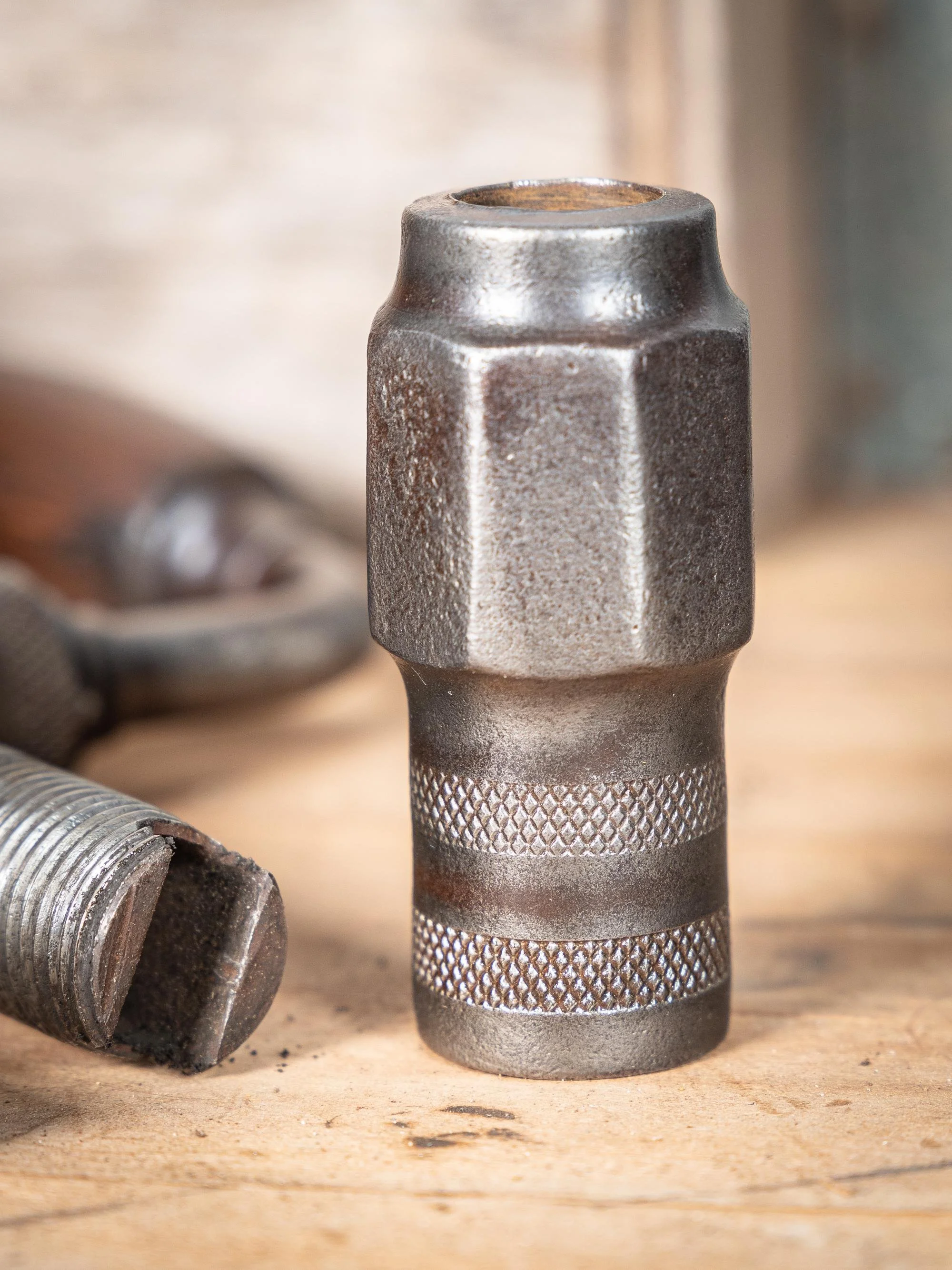 Image 9 of 16
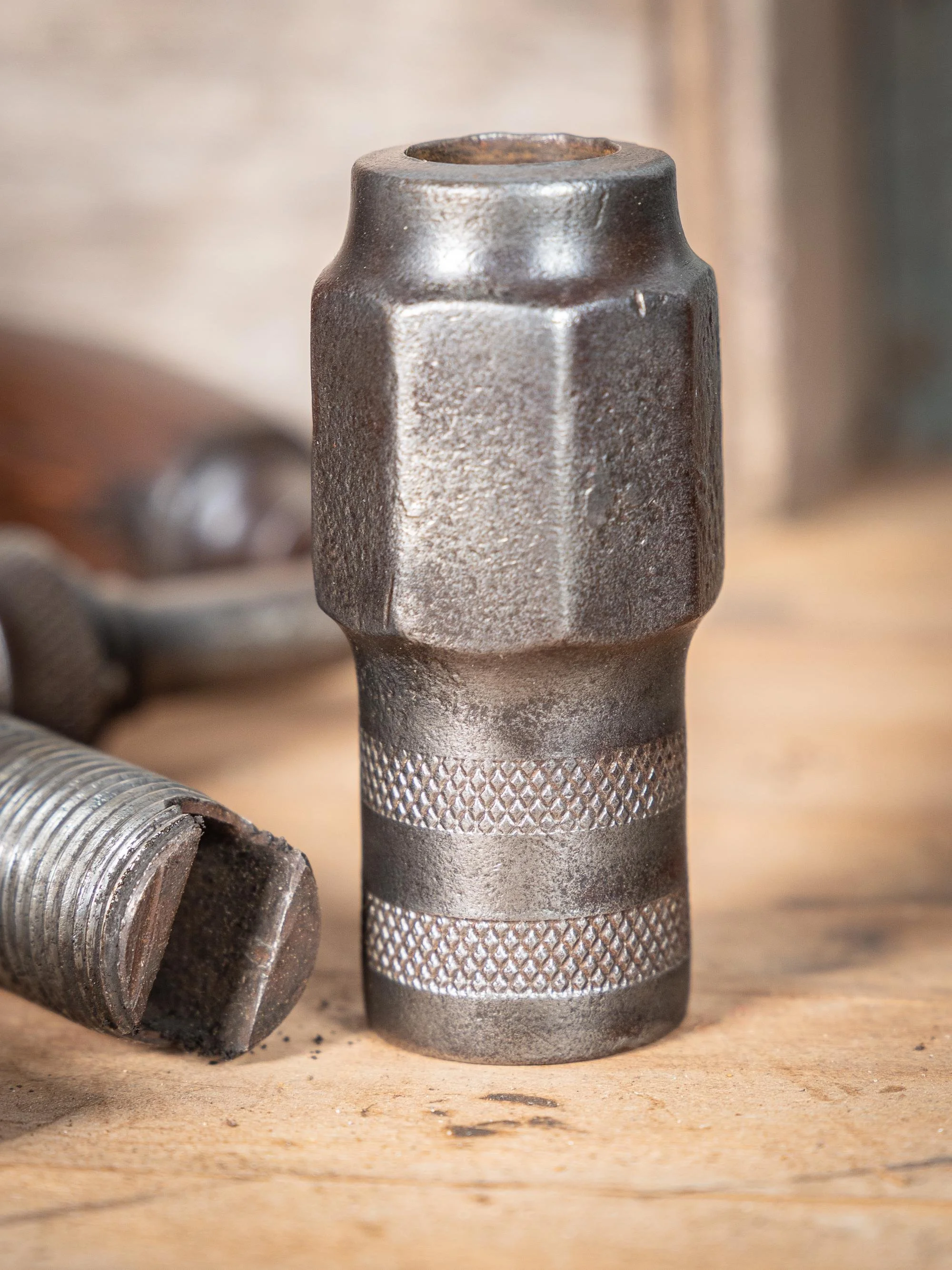 Image 10 of 16
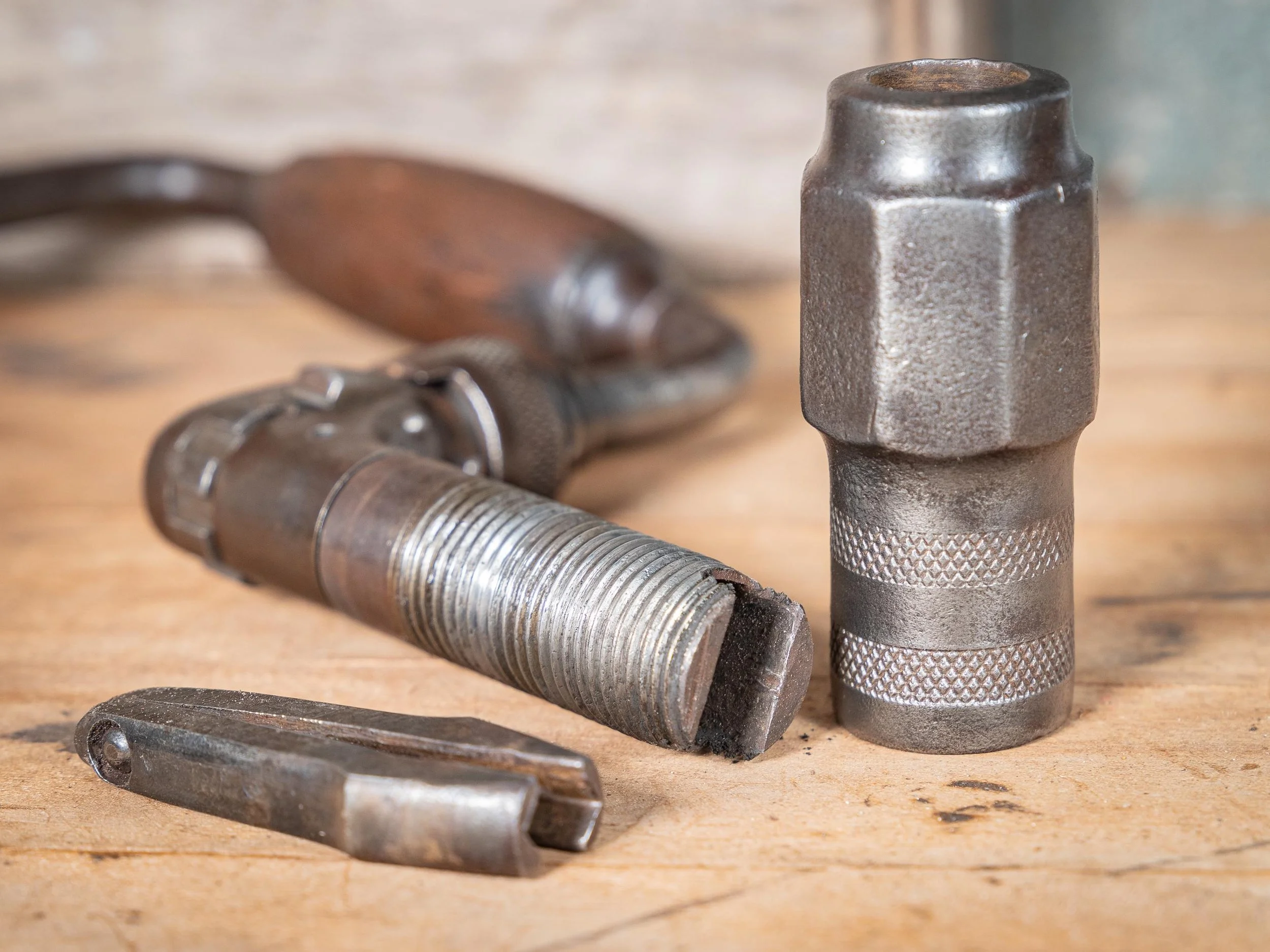 Image 11 of 16
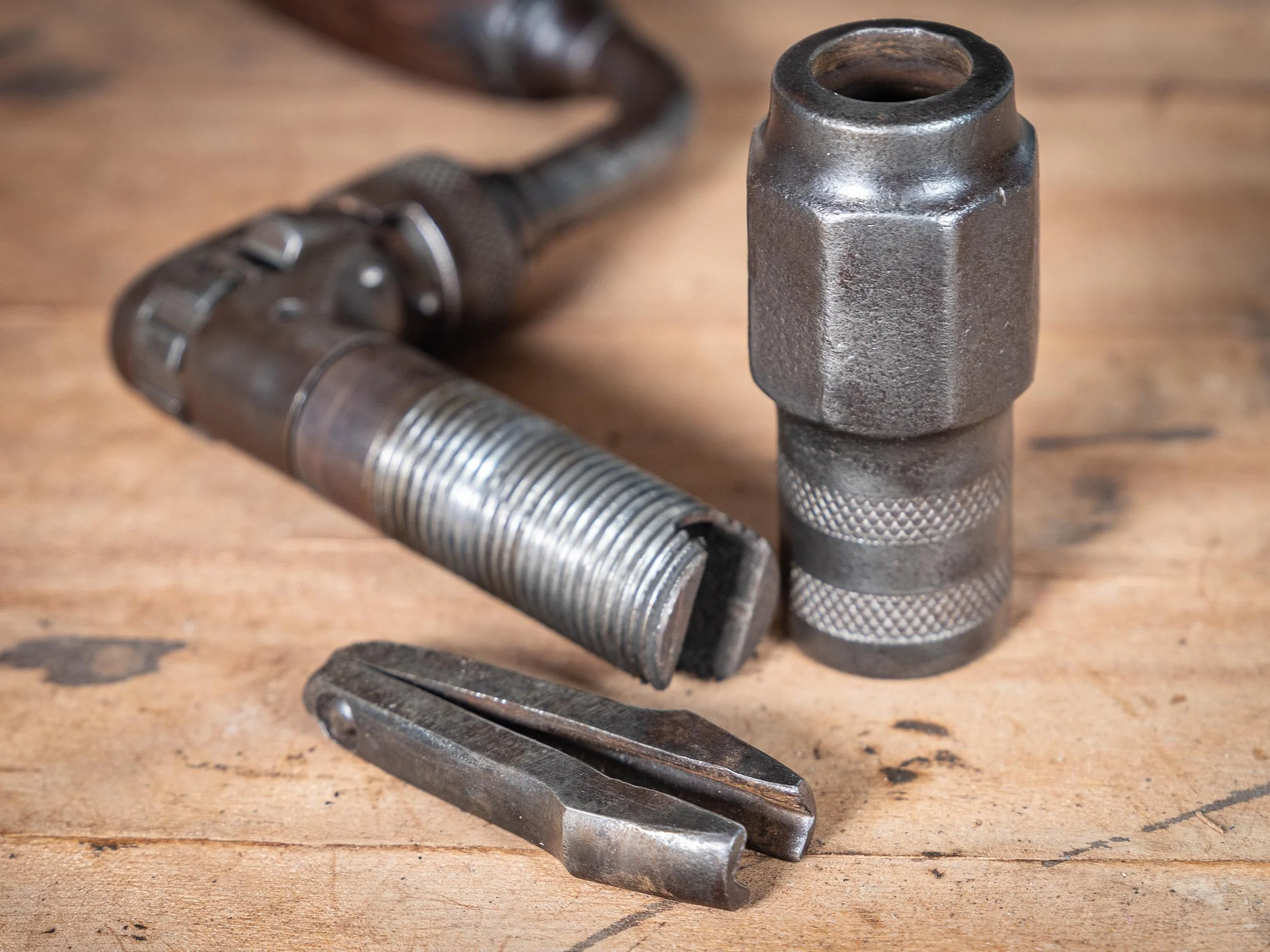 Image 12 of 16
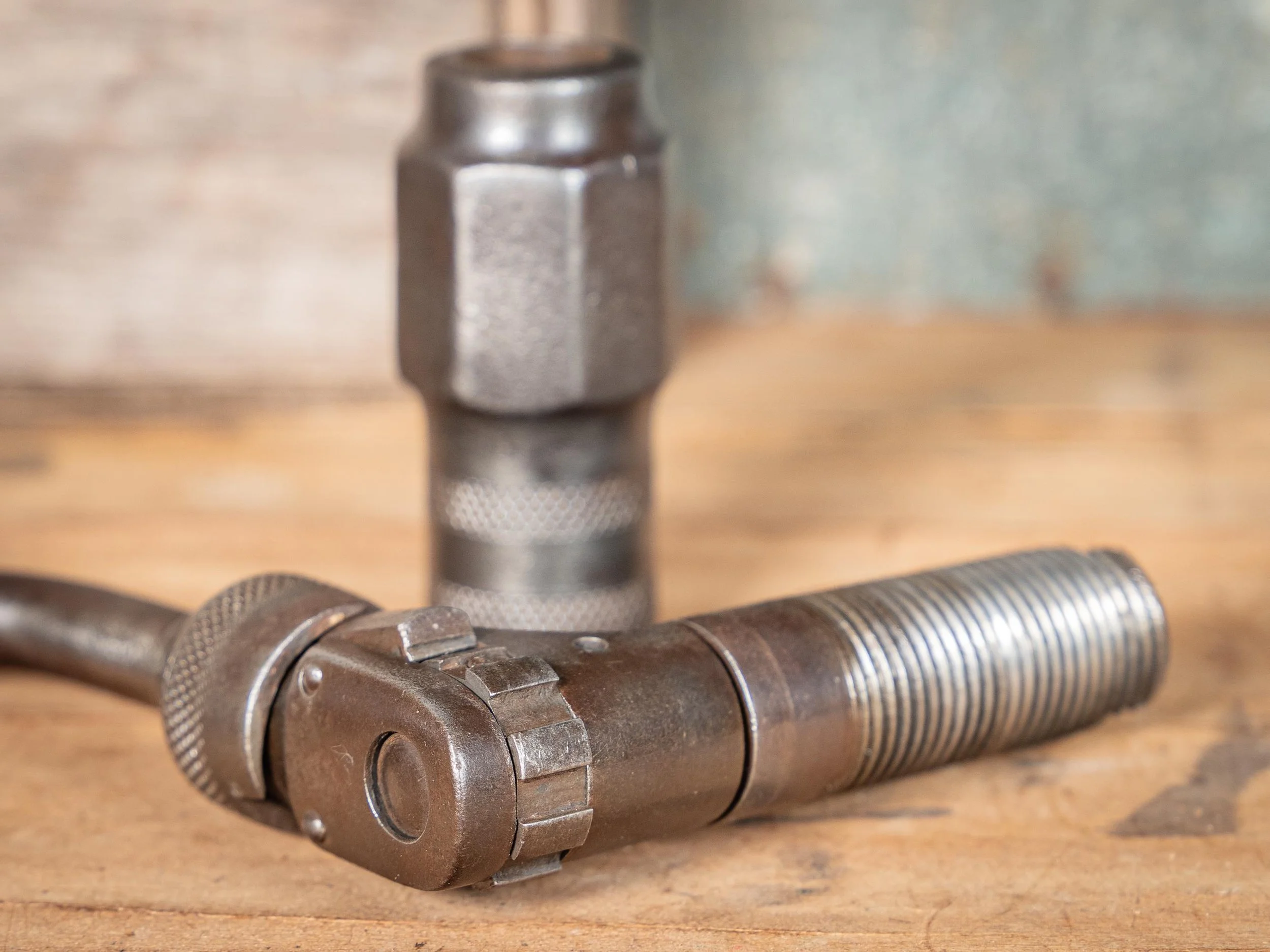 Image 13 of 16
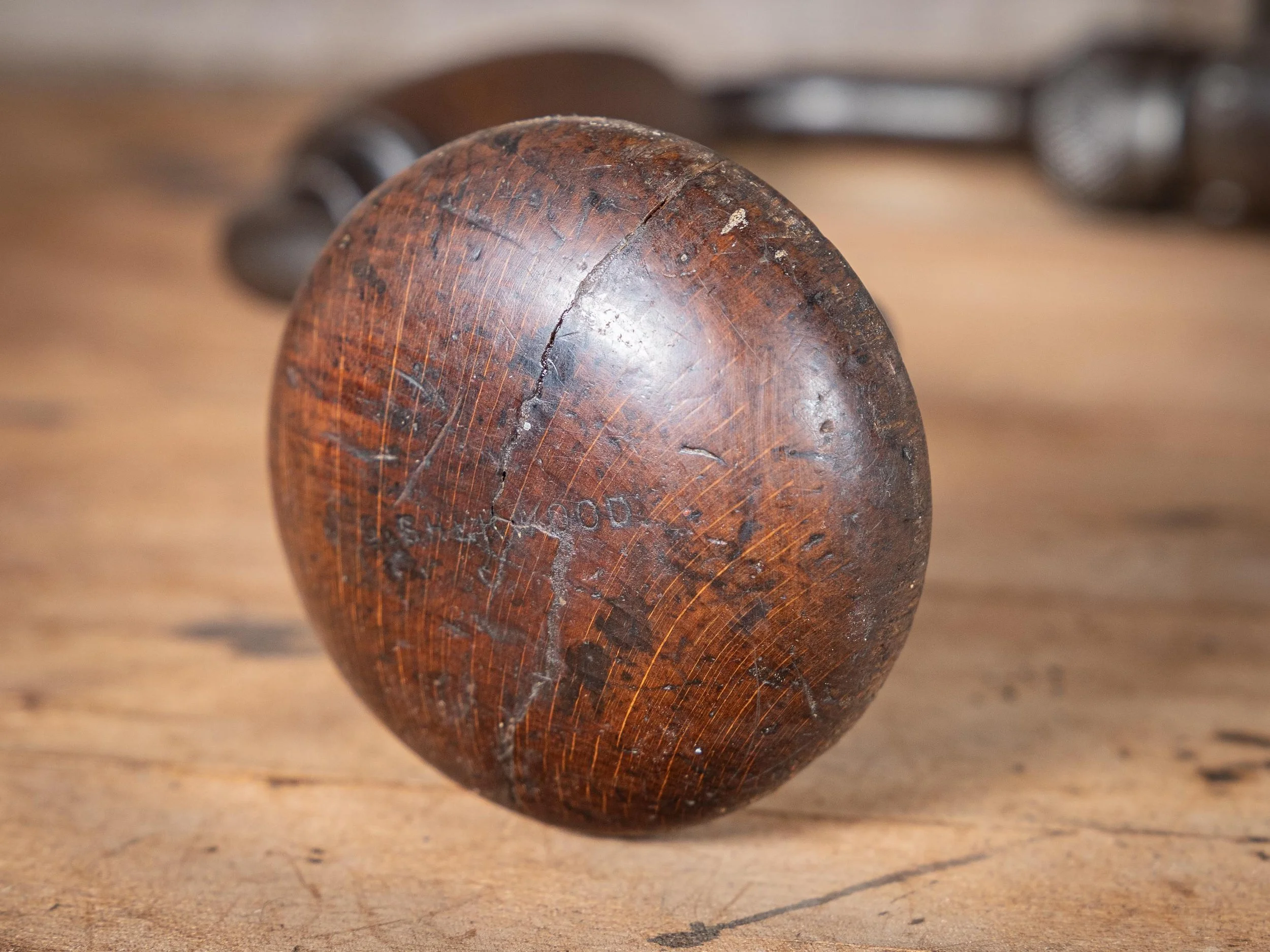 Image 14 of 16
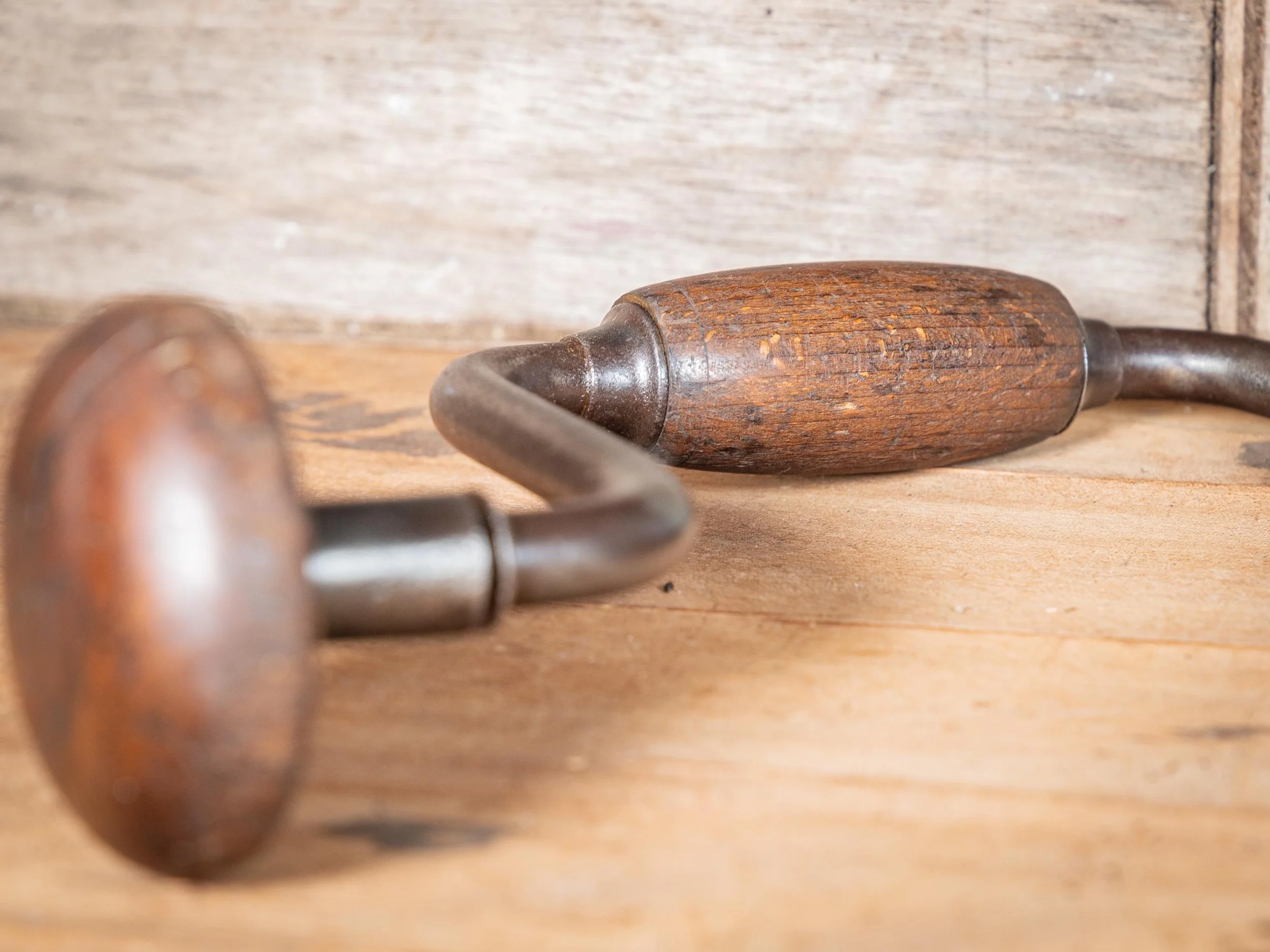 Image 15 of 16
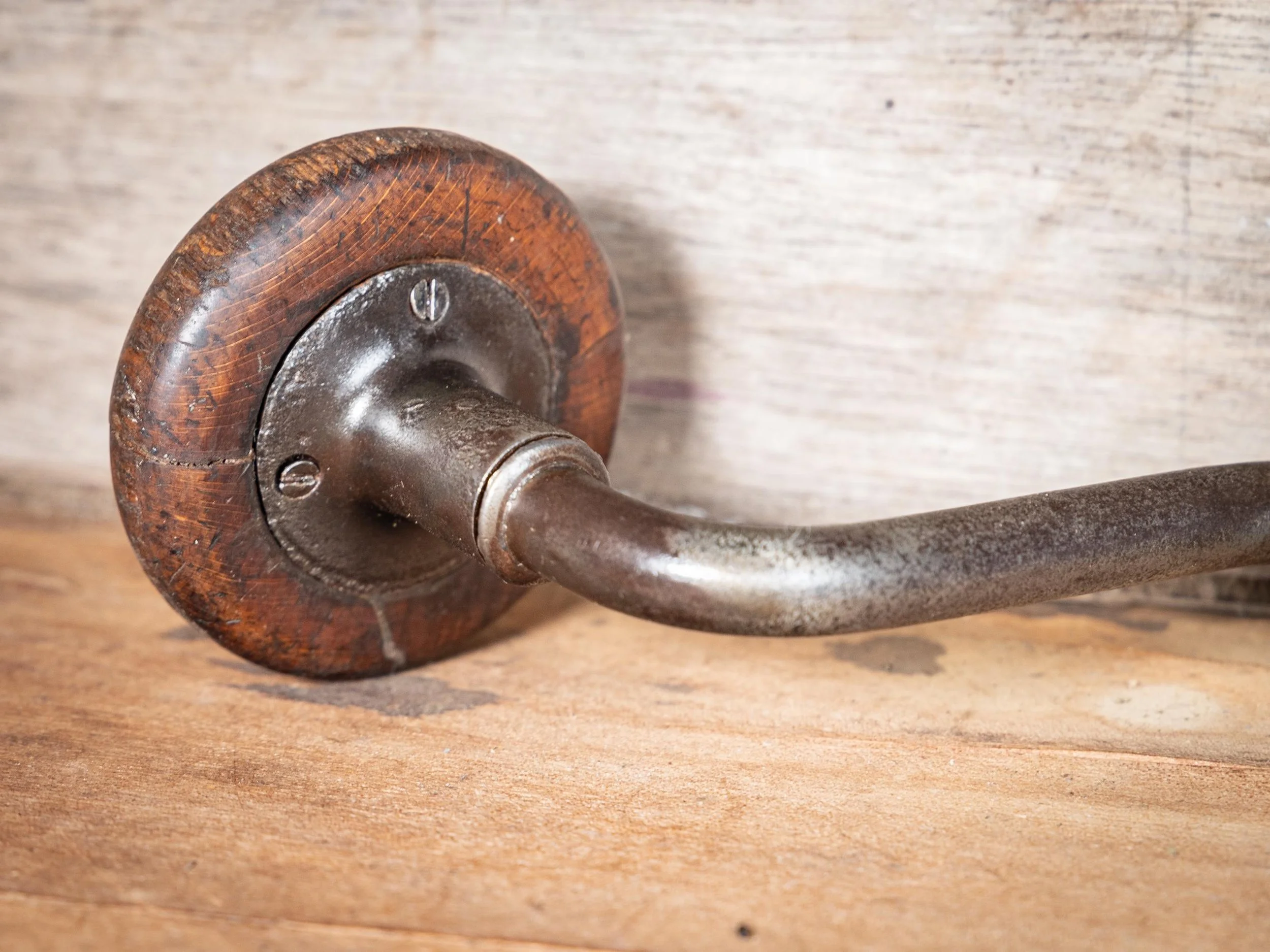 Image 16 of 16