Studio Line Porcelaine Noire by rosenthal, shape and pattern by Tapio Wirkkala. Mid-Century Modern design in White and Black, 1960s.
Rosenthal Studio-Line Collection
Discover the exquisite craftsmanship and innovative design of the Rosenthal Studio-Line, a brand founded in 1961 by Philip Rosenthal. Long before collaborations with artists became a trend, Rosenthal was at the forefront, working with celebrated contemporary talents such as Raymond Loewy, Walter Gropius, Tapio Wirkkala, and Sebastian Herkner. The remarkable Studio Line collection showcases a rich history of artistic collaboration, with more than 150 unique collections designed by renowned artists.
The Studio-Line is not just about beautiful aesthetics; it is a testament to unparalleled quality and creativity. With an impressive tally of around 500 design prizes and displays in prestigious museums and galleries worldwide, Rosenthal continues to set the standard for innovative home decor. Each piece tells a story, merging art with functionality, making it an essential addition to any collector's trove or a striking centerpiece in your home. Elevate your space with the timeless elegance and artistry of the Rosenthal Studio-Line.
Dimensions:
Coffee Pot: 22cm high, 20cm wide (handle to spout), diameter 10cm
Creamer: 9cm high, 11cm wide (handle to spout), diameter 7cm
Sugar Bowl: 9cm high, diameter 9.5cm
Salt & Pepper: 5.5cm high, diameter 4cm
Lidded Tureen: 10cm high, diameter 22cm
Butter Dish: 6cm high, 18cm wide, depth 15cm
Gravy Boat: 7cm high, 16cm wide, depth 12cm Saucer: 2.5cm high, 18cm diameter
Cereal Bowl: 6cm high, 11cm diameter
Soup Plate: 3cm high, 23.5cm diameter
Side Plate: 2cm high, 17.5cm diameter
Salad Plate: 2cm high, 21.5cm diameter
Dinner Plate: 2cm high, 25cm diameter
Soup Coupe: 5.5cm high, 16cm wide (handle to handle), diameter 11cm Saucer: 2.5cm high, 16cm diameter
Expresso Cup: 6.5cm high, 8.5cm wide (handle to edge), diameter 7cm Saucer: 2cm high, 13cm diameter
Coffee Cup: 7cm high, 9cm wide (handle to edge), diameter 7.5cm Saucer: 2cm high, 14cm diameter
Tea Cup: 6cm high, 12cm wide (handle to edge), diameter 9.5cm Saucer: 2cm high, 14cm diameter
Philipp Rosenthal Porcelain: A Legacy of Innovation and Care
Discover the remarkable journey of Philipp Rosenthal, who transformed the porcelain industry with his vision and dedication. Starting as a dishwasher in America at just seventeen, he returned to Germany in 1879 with a passion for porcelain and laid the foundations of his empire in the beautiful Erkersreuth Castle in Selb. His entrepreneurial spirit blossomed alongside his creation of the iconic "little resting place for burning cigars" ashtray.
In 1891, Philipp took a bold step by establishing his own porcelain factory, which quickly gained acclaim for its technical advancements and modern designs. Known for his motto, “I have no use for anyone who cannot look beyond the garden fence,” Rosenthal constantly sought innovation, pushing the boundaries of traditional porcelain artistry.
By 1904, on his 25th anniversary, the company had grown to employ 1,200 people, all of whom enjoyed the welfare initiatives Rosenthal championed. Ahead of his time, he provided fully paid holidays, decent housing, and support for nurseries and allotment gardens, ensuring his workers were taken care of—an act of kindness that set a new standard in the industry.
The establishment of Rosenthal's own art department in 1910 underscored the brand's prestigious status, allowing for exquisite porcelain figures that were previously only produced by royal factories. Today, owning a piece of Rosenthal porcelain means cherishing a rich heritage of craftsmanship, innovation, and a commitment to the well-being of the artisans behind each creation. Embrace a piece of history with your own Rosenthal treasures.
Maria Porcelain Dinnerware
The enchanting legacy of the "Maria" dinnerware, a stunning porcelain collection inspired by a beautiful love story. Created in 1916 by Philipp Rosenthal in honor of his wife, Maria, this exquisite service quickly became a bestseller, with over 5 million cups and 15 million plates sold over the past 25 years, making it one of the top-selling dinnerware designs ever.
With a rich heritage dating back to the company's founding, Philipp Rosenthal's dedication to craftsmanship and quality led to the establishment of a renowned brand respected worldwide. By 1929, Rosenthal AG flourished with 7,000 skilled artisans creating intricately designed porcelain, transforming ordinary dining experiences into elegant affairs.
However, the company's journey was not without challenges. Following the rise of the "Third Reich," Philipp Rosenthal faced significant adversity due to his Jewish ancestry, leaving the company he built in 1934. Despite his passing in 1937, the legacy continued through his son, Philip Rosenthal, who played a pivotal role in revitalizing the brand. From advertising manager to CEO between 1958 and 1981, he led the company into a new era, focusing on innovative designs and beautifully curated product showcases.
Rosenthal Studio House - A Blend of Artistry and Innovation
Established in 1960 in Nuremberg, the Rosenthal Studio House has stood as a testament to the brand's commitment to elegance and craftsmanship. Playing a crucial role in the distribution network, these Studio Houses have elevated the public image of Rosenthal, transforming a former porcelain factory into a hub of sophisticated interior design and exquisite tableware.
The Rosenthal porcelain you admire today is crafted with the utmost care in state-of-the-art facilities located in Selb and Speichersdorf, Germany. The iconic "Rosenthal am Rothbühl" factory, designed by the visionary architect Walter Gropius and inaugurated in 1967, is not just a manufacturing site—it’s an architectural landmark that signifies the brand's dedication to merging function with aesthetic beauty.
Every piece of Rosenthal porcelain is produced with precision and consistency thanks to modern production techniques and automation. As we celebrate the legacy of Rosenthal, we invite you to explore the timeless designs that continue to inspire and elevate dining experiences around the world. Each piece carries with it a story, a history, and an unwavering promise of quality—perfect for your collection or as a thoughtful gift.
The condition of the pieces is remarkably good, with no visible cracks or chips, making it a desirable addition for collectors and enthusiasts alike.
The items will be wrapped individually and packed with the greatest care.
If you wish to collect this item or purchase it from outside the UK please message us first to make arrangements.
Rosenthal Studio-Line Collection
Discover the exquisite craftsmanship and innovative design of the Rosenthal Studio-Line, a brand founded in 1961 by Philip Rosenthal. Long before collaborations with artists became a trend, Rosenthal was at the forefront, working with celebrated contemporary talents such as Raymond Loewy, Walter Gropius, Tapio Wirkkala, and Sebastian Herkner. The remarkable Studio Line collection showcases a rich history of artistic collaboration, with more than 150 unique collections designed by renowned artists.
The Studio-Line is not just about beautiful aesthetics; it is a testament to unparalleled quality and creativity. With an impressive tally of around 500 design prizes and displays in prestigious museums and galleries worldwide, Rosenthal continues to set the standard for innovative home decor. Each piece tells a story, merging art with functionality, making it an essential addition to any collector's trove or a striking centerpiece in your home. Elevate your space with the timeless elegance and artistry of the Rosenthal Studio-Line.
Dimensions:
Coffee Pot: 22cm high, 20cm wide (handle to spout), diameter 10cm
Creamer: 9cm high, 11cm wide (handle to spout), diameter 7cm
Sugar Bowl: 9cm high, diameter 9.5cm
Salt & Pepper: 5.5cm high, diameter 4cm
Lidded Tureen: 10cm high, diameter 22cm
Butter Dish: 6cm high, 18cm wide, depth 15cm
Gravy Boat: 7cm high, 16cm wide, depth 12cm Saucer: 2.5cm high, 18cm diameter
Cereal Bowl: 6cm high, 11cm diameter
Soup Plate: 3cm high, 23.5cm diameter
Side Plate: 2cm high, 17.5cm diameter
Salad Plate: 2cm high, 21.5cm diameter
Dinner Plate: 2cm high, 25cm diameter
Soup Coupe: 5.5cm high, 16cm wide (handle to handle), diameter 11cm Saucer: 2.5cm high, 16cm diameter
Expresso Cup: 6.5cm high, 8.5cm wide (handle to edge), diameter 7cm Saucer: 2cm high, 13cm diameter
Coffee Cup: 7cm high, 9cm wide (handle to edge), diameter 7.5cm Saucer: 2cm high, 14cm diameter
Tea Cup: 6cm high, 12cm wide (handle to edge), diameter 9.5cm Saucer: 2cm high, 14cm diameter
Philipp Rosenthal Porcelain: A Legacy of Innovation and Care
Discover the remarkable journey of Philipp Rosenthal, who transformed the porcelain industry with his vision and dedication. Starting as a dishwasher in America at just seventeen, he returned to Germany in 1879 with a passion for porcelain and laid the foundations of his empire in the beautiful Erkersreuth Castle in Selb. His entrepreneurial spirit blossomed alongside his creation of the iconic "little resting place for burning cigars" ashtray.
In 1891, Philipp took a bold step by establishing his own porcelain factory, which quickly gained acclaim for its technical advancements and modern designs. Known for his motto, “I have no use for anyone who cannot look beyond the garden fence,” Rosenthal constantly sought innovation, pushing the boundaries of traditional porcelain artistry.
By 1904, on his 25th anniversary, the company had grown to employ 1,200 people, all of whom enjoyed the welfare initiatives Rosenthal championed. Ahead of his time, he provided fully paid holidays, decent housing, and support for nurseries and allotment gardens, ensuring his workers were taken care of—an act of kindness that set a new standard in the industry.
The establishment of Rosenthal's own art department in 1910 underscored the brand's prestigious status, allowing for exquisite porcelain figures that were previously only produced by royal factories. Today, owning a piece of Rosenthal porcelain means cherishing a rich heritage of craftsmanship, innovation, and a commitment to the well-being of the artisans behind each creation. Embrace a piece of history with your own Rosenthal treasures.
Maria Porcelain Dinnerware
The enchanting legacy of the "Maria" dinnerware, a stunning porcelain collection inspired by a beautiful love story. Created in 1916 by Philipp Rosenthal in honor of his wife, Maria, this exquisite service quickly became a bestseller, with over 5 million cups and 15 million plates sold over the past 25 years, making it one of the top-selling dinnerware designs ever.
With a rich heritage dating back to the company's founding, Philipp Rosenthal's dedication to craftsmanship and quality led to the establishment of a renowned brand respected worldwide. By 1929, Rosenthal AG flourished with 7,000 skilled artisans creating intricately designed porcelain, transforming ordinary dining experiences into elegant affairs.
However, the company's journey was not without challenges. Following the rise of the "Third Reich," Philipp Rosenthal faced significant adversity due to his Jewish ancestry, leaving the company he built in 1934. Despite his passing in 1937, the legacy continued through his son, Philip Rosenthal, who played a pivotal role in revitalizing the brand. From advertising manager to CEO between 1958 and 1981, he led the company into a new era, focusing on innovative designs and beautifully curated product showcases.
Rosenthal Studio House - A Blend of Artistry and Innovation
Established in 1960 in Nuremberg, the Rosenthal Studio House has stood as a testament to the brand's commitment to elegance and craftsmanship. Playing a crucial role in the distribution network, these Studio Houses have elevated the public image of Rosenthal, transforming a former porcelain factory into a hub of sophisticated interior design and exquisite tableware.
The Rosenthal porcelain you admire today is crafted with the utmost care in state-of-the-art facilities located in Selb and Speichersdorf, Germany. The iconic "Rosenthal am Rothbühl" factory, designed by the visionary architect Walter Gropius and inaugurated in 1967, is not just a manufacturing site—it’s an architectural landmark that signifies the brand's dedication to merging function with aesthetic beauty.
Every piece of Rosenthal porcelain is produced with precision and consistency thanks to modern production techniques and automation. As we celebrate the legacy of Rosenthal, we invite you to explore the timeless designs that continue to inspire and elevate dining experiences around the world. Each piece carries with it a story, a history, and an unwavering promise of quality—perfect for your collection or as a thoughtful gift.
The condition of the pieces is remarkably good, with no visible cracks or chips, making it a desirable addition for collectors and enthusiasts alike.
The items will be wrapped individually and packed with the greatest care.
If you wish to collect this item or purchase it from outside the UK please message us first to make arrangements.

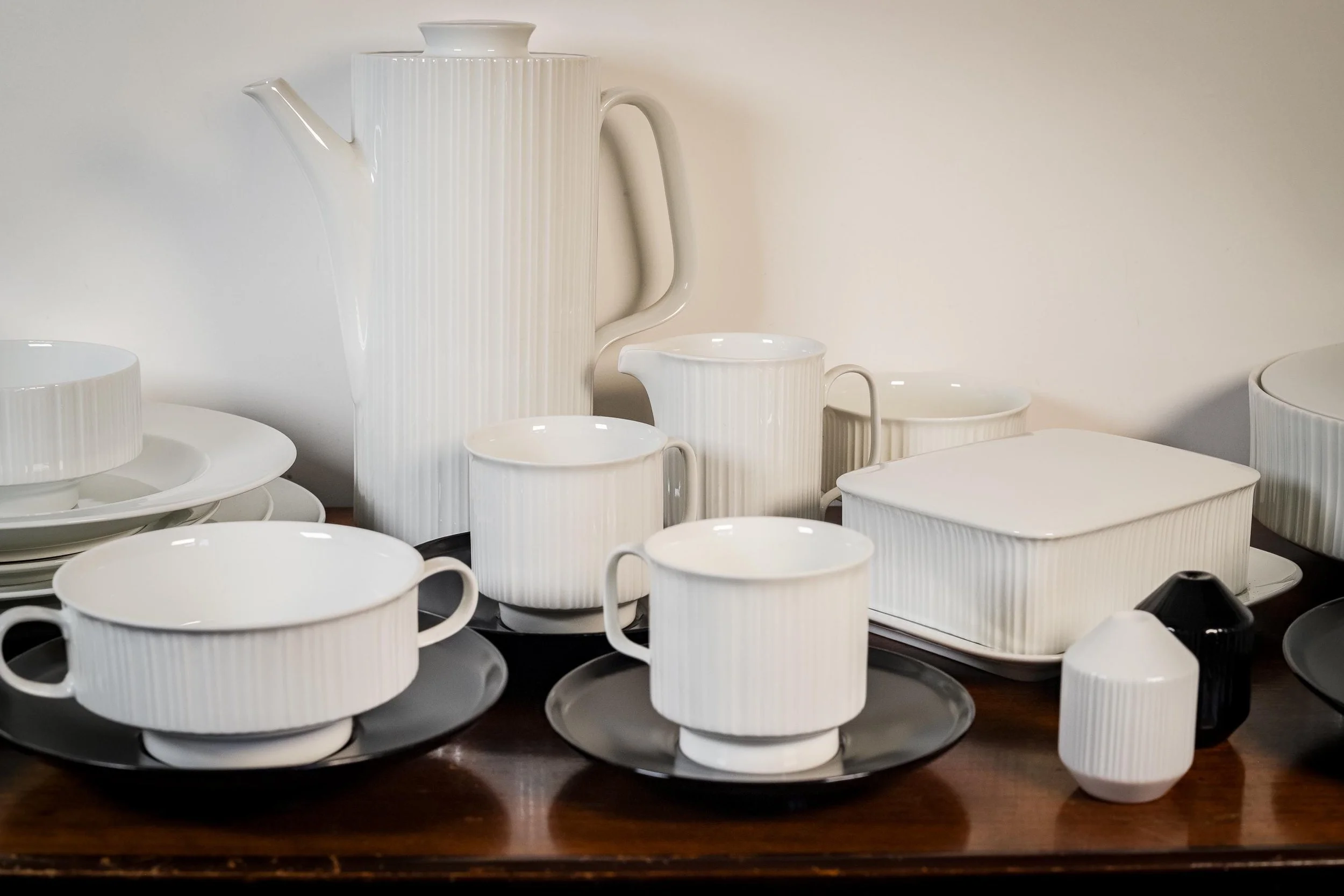 Image 1 of 10
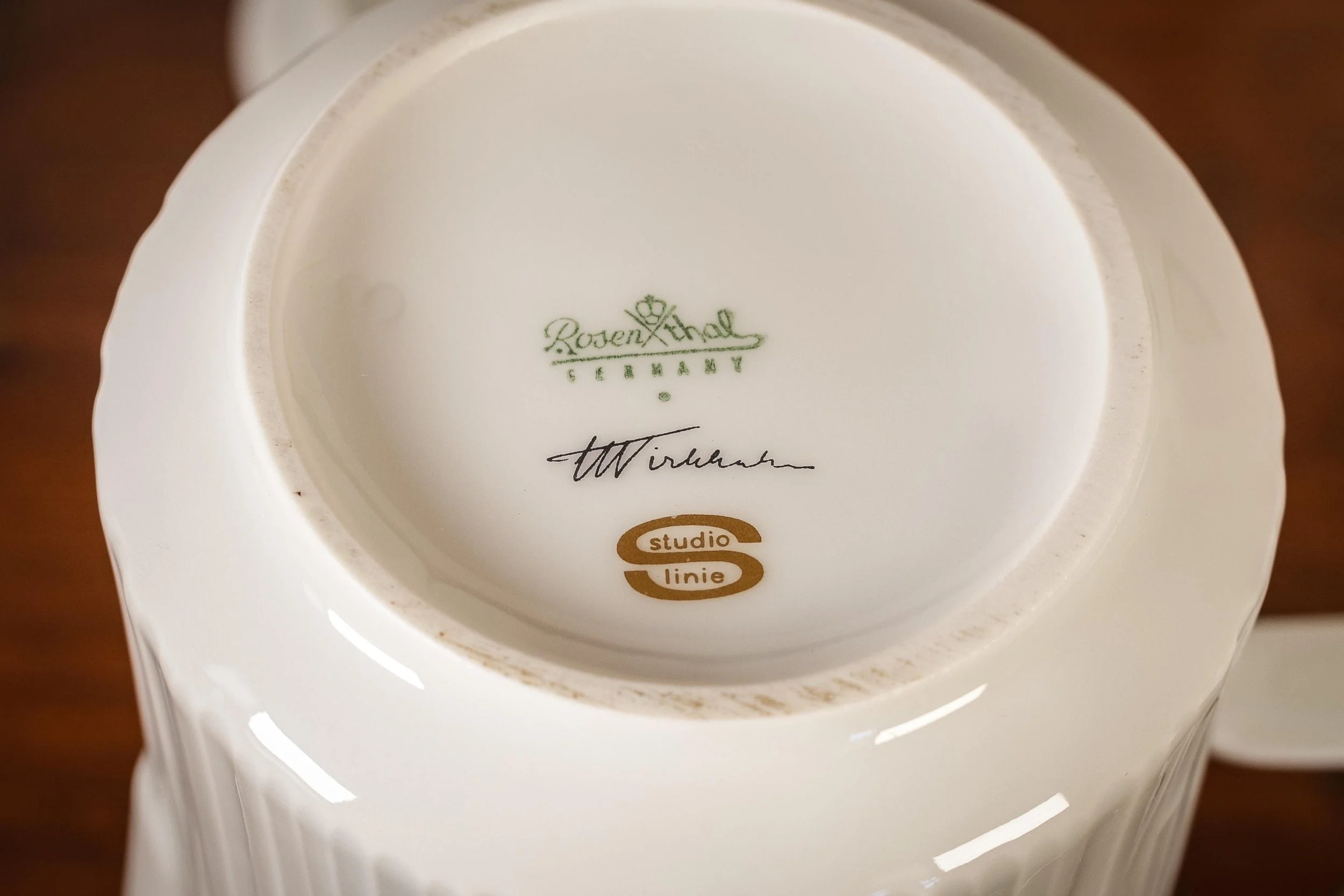 Image 2 of 10
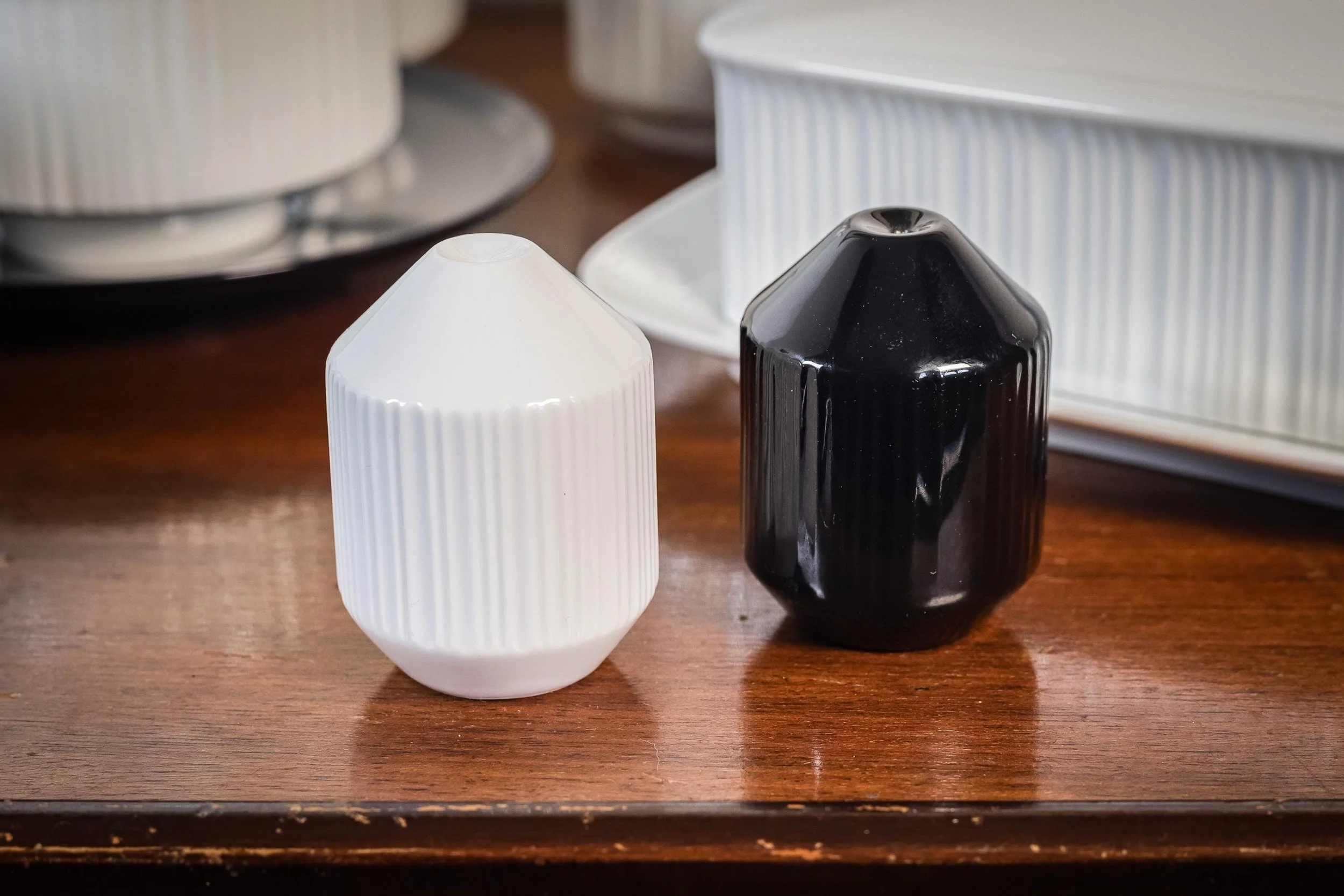 Image 3 of 10
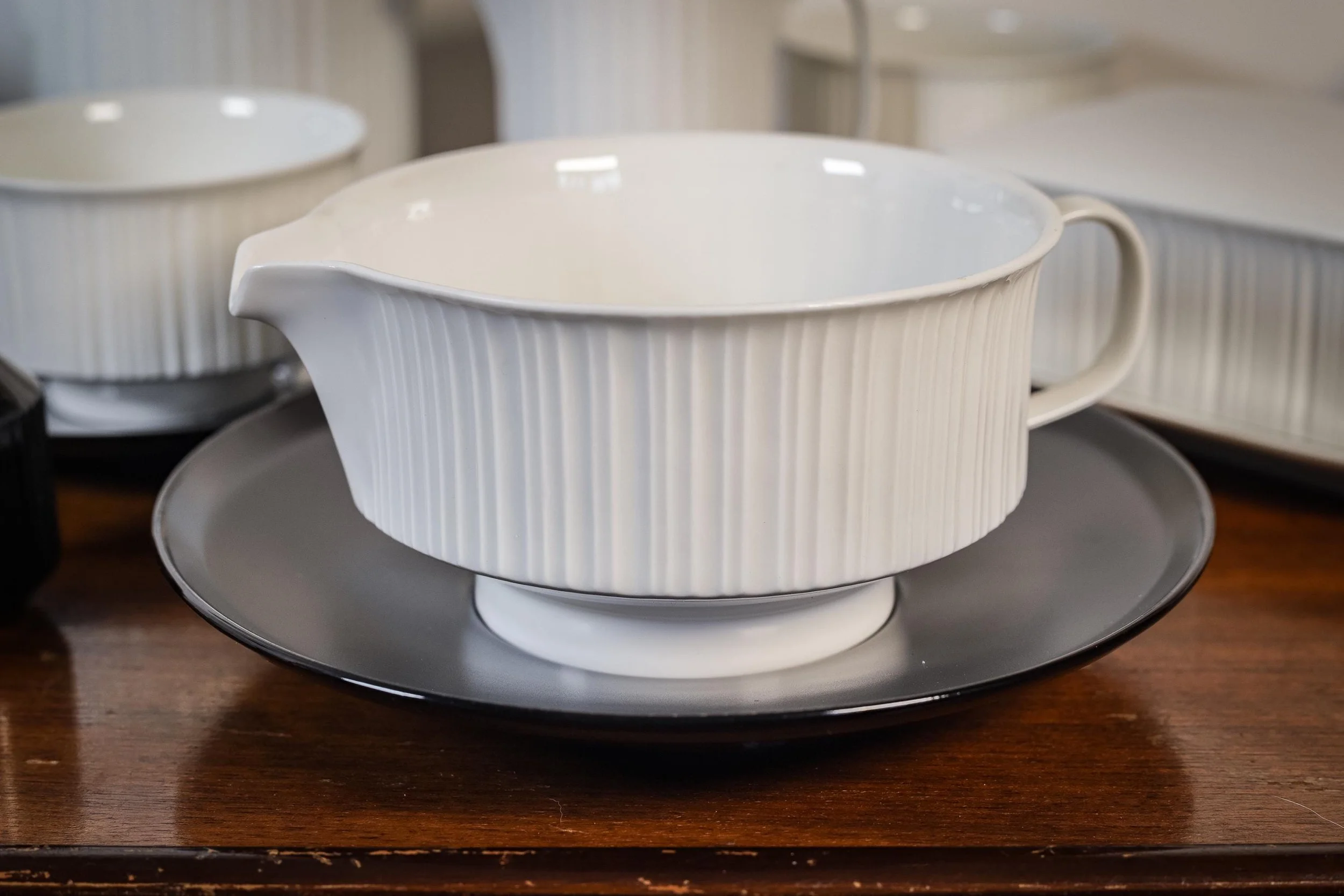 Image 4 of 10
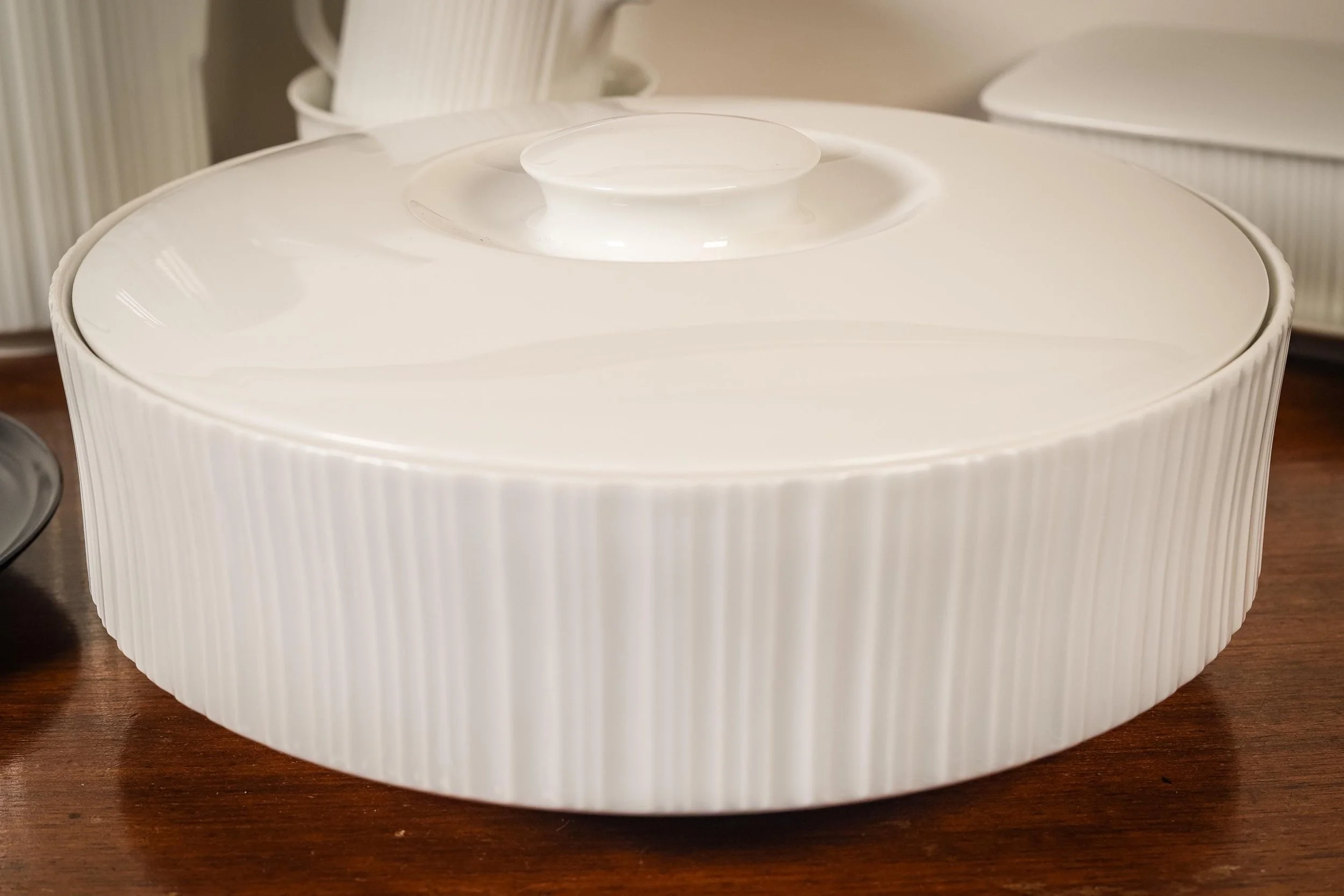 Image 5 of 10
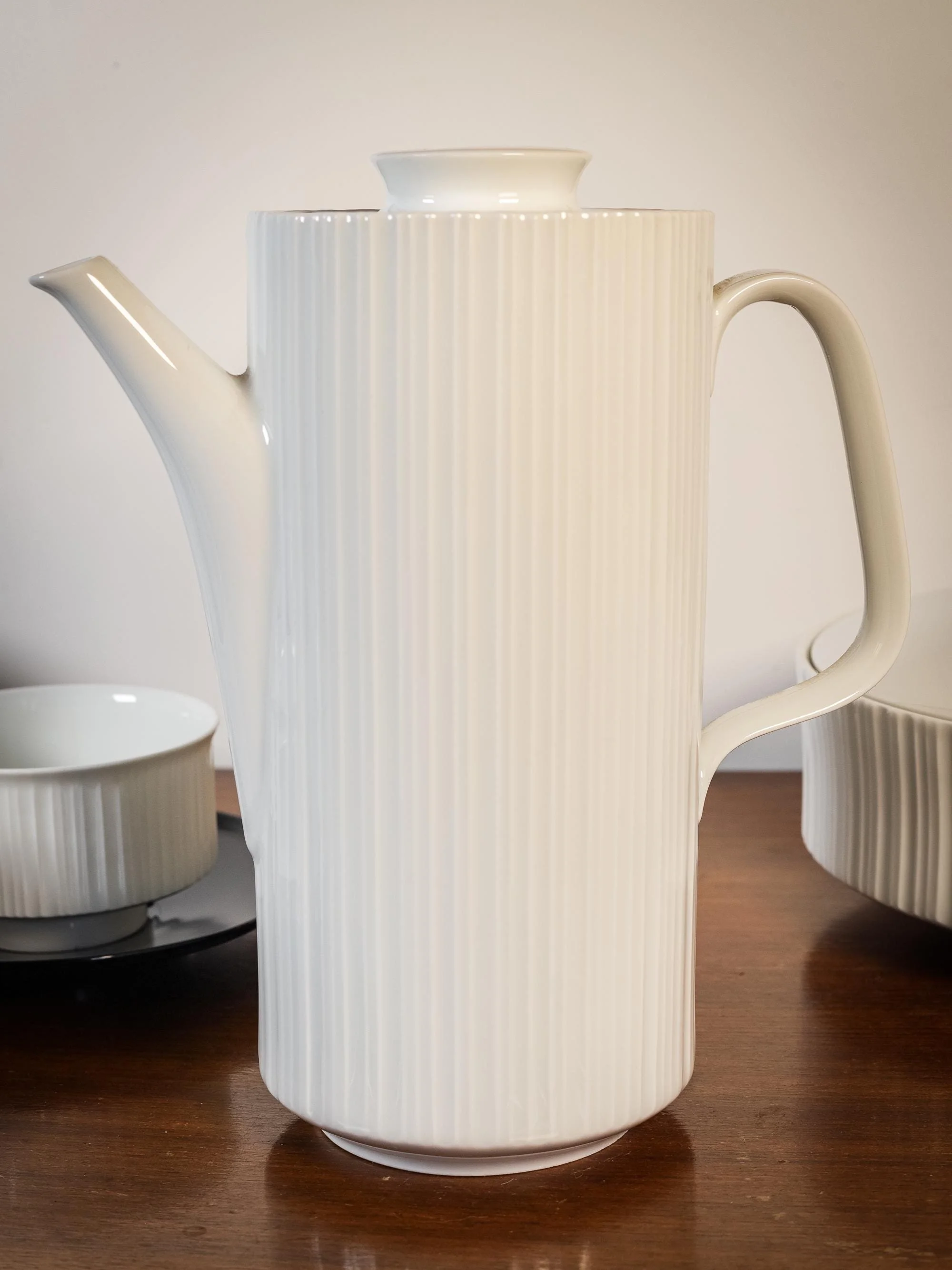 Image 6 of 10
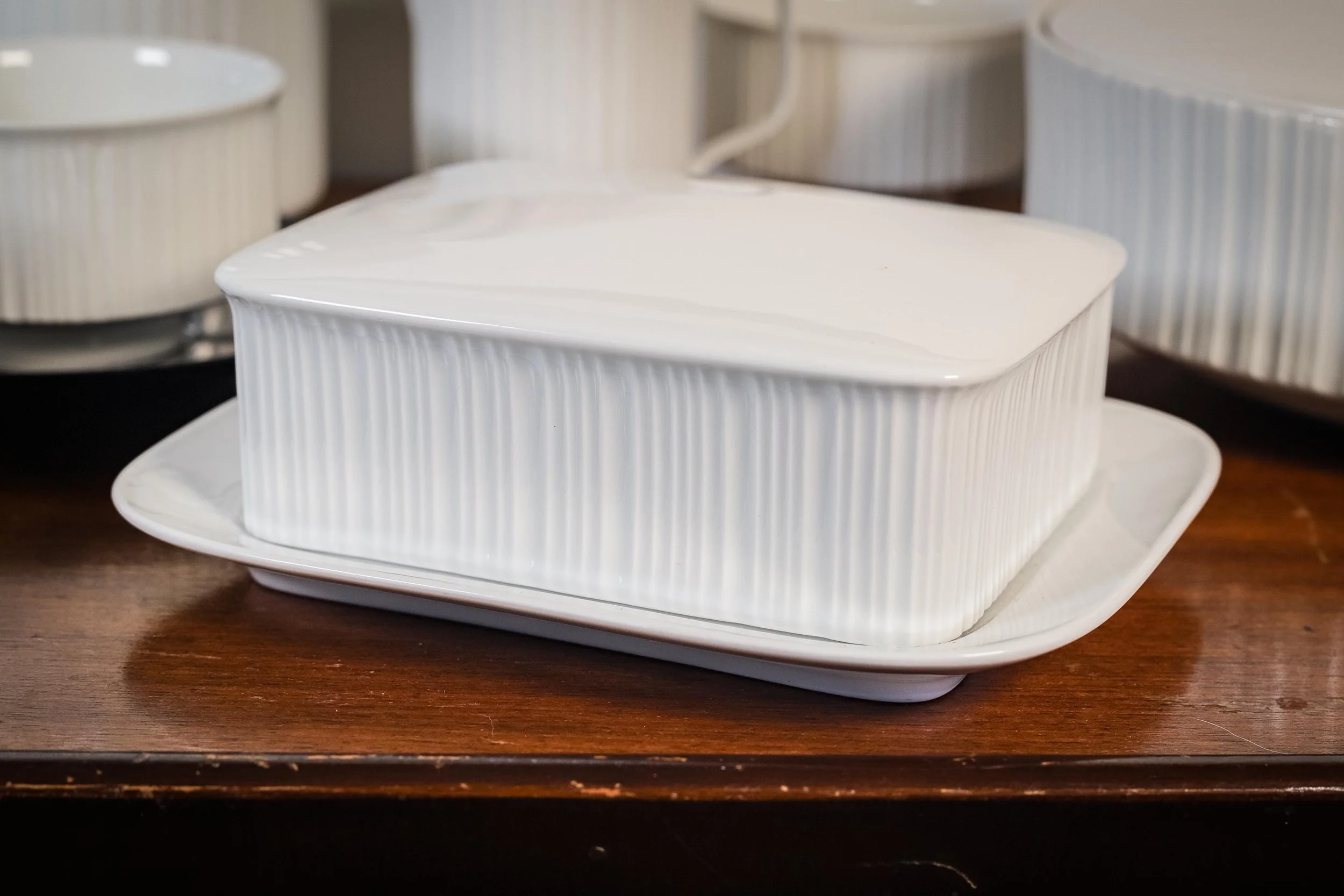 Image 7 of 10
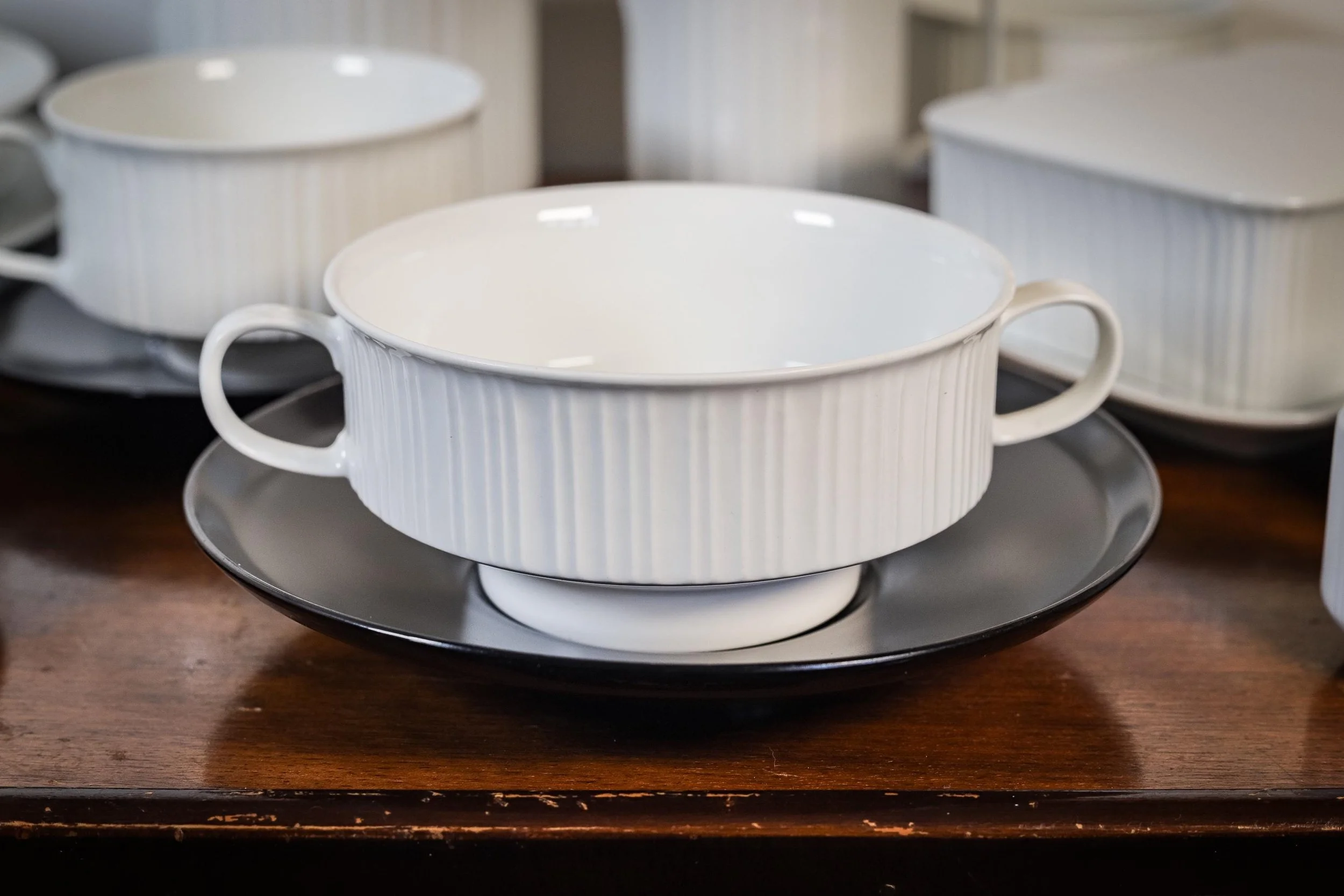 Image 8 of 10
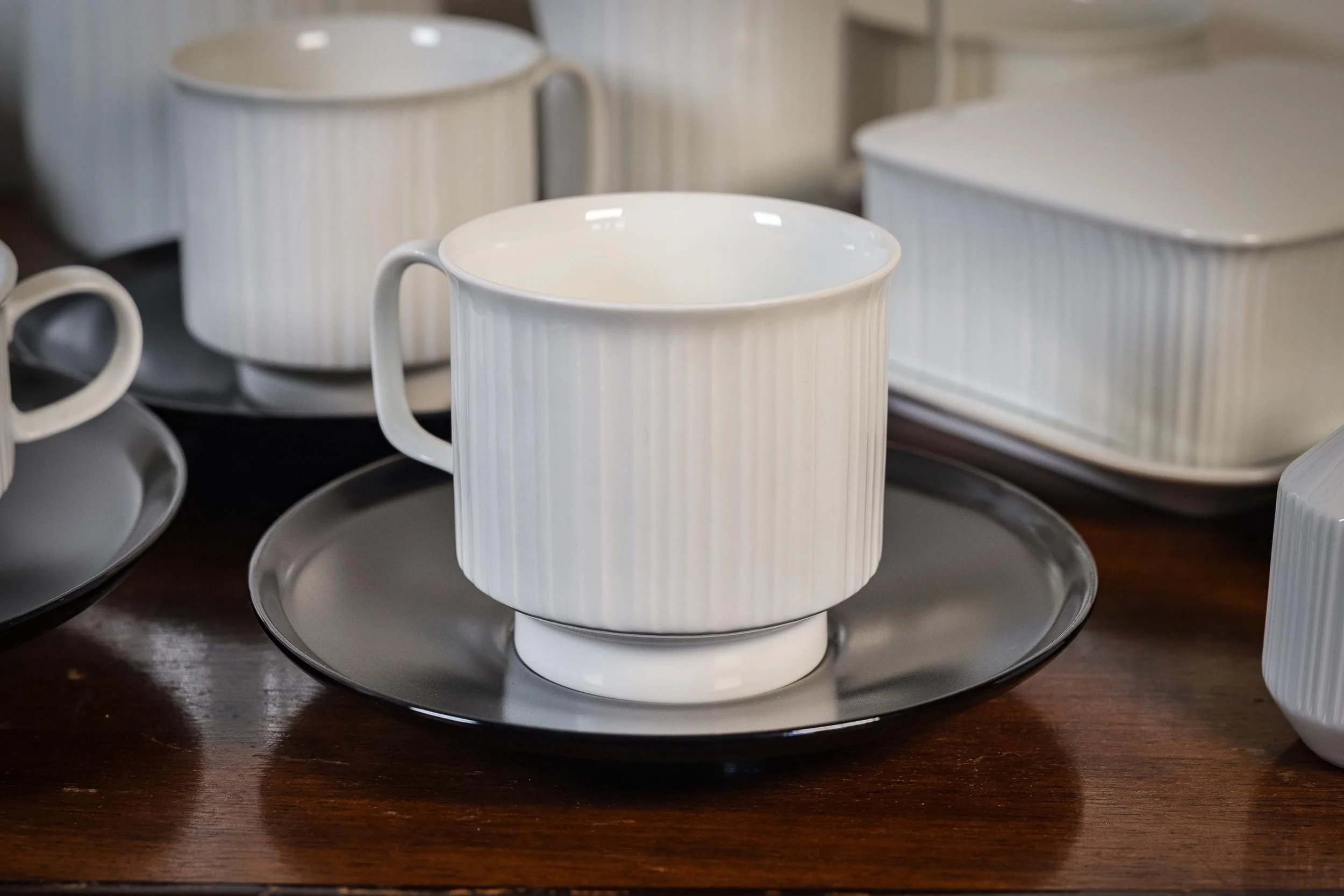 Image 9 of 10
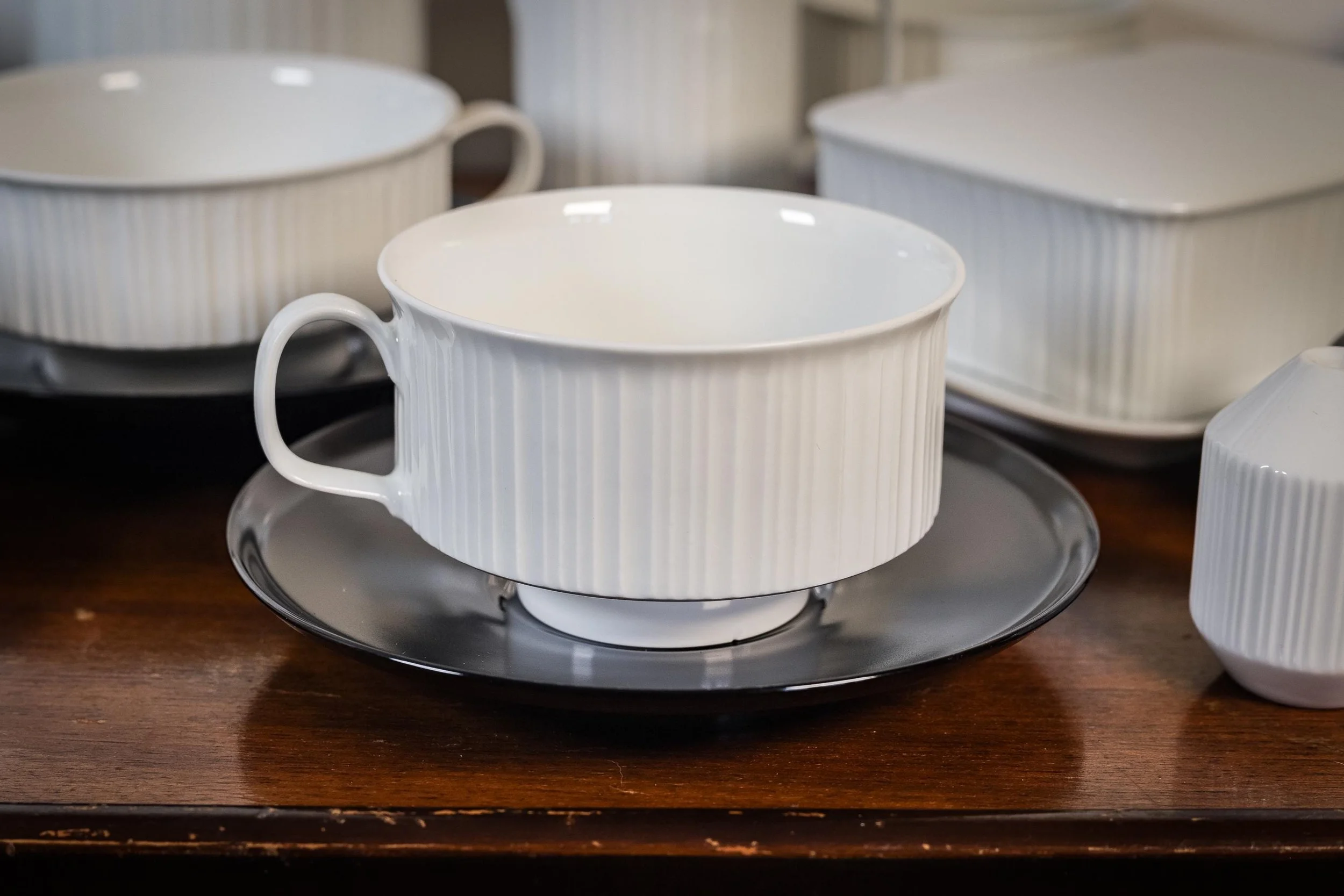 Image 10 of 10